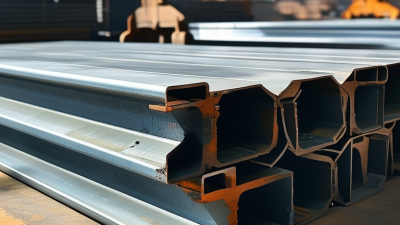
Choosing the right Cold Rolled Steel supplier in 2026 requires more than comparing quoted prices. Global buyers must examine consistency, traceability, technical capability, and delivery performance. The World Steel Association reported global crude steel production of approximately 1.88 billion tonnes in 2024. This scale shows the industry’s depth, but it also makes supplier selection more difficult.
Supply is broad. Quality is not.
The OECD Steel Outlook 2024 warned that global steelmaking capacity could exceed demand by about 721 million tonnes by 2027. This pressure may encourage aggressive pricing, longer-term risks, or uneven service from less reliable exporters. Buyers should therefore review mill test certificates, chemical composition, yield strength, surface finish, coil dimensions, packaging, and inspection procedures. Standards such as ASTM A1008, EN 10130, and JIS G3141 can support clearer comparisons, but standards alone do not guarantee dependable performance.
This guide evaluates the 2026 Best Cold Rolled Steel Suppliers for Global Buyers through a practical purchasing lens. It considers production scale, export experience, coating and finishing options, quality systems, logistics reach, and after-sales responsiveness. A strong supplier should explain how coils are produced, tested, protected, and traced from mill to warehouse. Small details matter, including edge protection, rust prevention paper, moisture control, and readable coil labels.
No ranking is perfect.
Market data changes. Freight costs change. Buyer requirements differ. For that reason, this overview combines industry evidence with realistic procurement checks, helping manufacturers and distributors make more defensible decisions in a competitive global market.
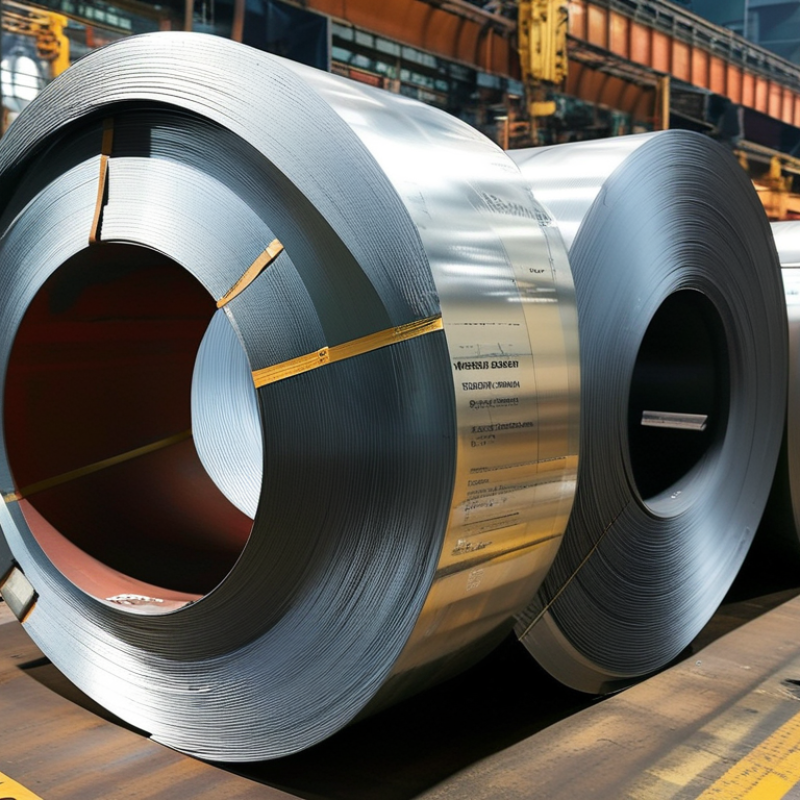
Cold-rolled steel is defined by more than a smooth, bright surface. For global buyers, thickness and yield strength control forming, welding, and service life. The 0.4–3.2 mm range covers thin panels, appliance shells, furniture parts, and many automotive components. Yield strength from 140 to 550 MPa creates a wider performance spread. Lower-strength material bends easily. Higher-strength material resists deformation but demands greater forming force.
A practical specification should state thickness, width, grade, temper, surface finish, and testing method. EN 10130 covers cold-rolled low-carbon flat products for forming, while ASTM A1008/A1008M defines several steel categories and mechanical requirements. Yield strength is not tensile strength. It describes the stress where permanent deformation begins. A 550 MPa value may look attractive, but it can increase springback and reduce deep-drawing performance. That assumption needs checking.
The World Steel Association’s World Steel in Figures 2025 reports approximately 1.88 billion tonnes of crude steel production in 2024, showing the scale behind international sourcing. Yet volume does not guarantee consistency. Buyers should request mill test certificates, dimensional records, surface-inspection results, and independent mechanical tests when risk is high. I would also verify yield strength after the required rolling direction and sample preparation. Small differences matter at 0.4 mm. A neat datasheet can still mislead. Supplier comparisons should examine coil flatness, edge quality, packaging, and delivery history, not only price. Tensile data alone is incomplete.

For global buyers in 2026, cold rolled steel selection starts with the correct standard, not the lowest quotation. ASTM A1008, EN 10130, and ISO 3575 describe related products, but they are not automatically interchangeable. Each standard defines different expectations for chemistry, strength, elongation, dimensional tolerance, and surface quality. Confirm the required grade before comparing suppliers.
ASTM A1008 often supports detailed commercial, drawing, and structural applications. EN 10130 focuses on cold rolled low-carbon steel for forming. ISO 3575 provides internationally recognized requirements for commercial and drawing-quality sheet. Ask for the exact grade designation, thickness range, width tolerance, surface finish, and edge condition. Check the mill test certificate against the purchase order. A certificate alone is not enough.
During inspection, measure thickness at several coil points, not only near the edge. Review tensile results, yield strength, elongation, and chemical composition. For forming parts, test a sample with the intended bend radius. Small surface lines may become obvious after stamping. Coil labels should match the certificate, packing list, and shipment marks. This sounds basic. It is often missed.
Supplier reliability also depends on traceability and corrective action. Request inspection records, calibration evidence, and a clear response process for nonconforming material. Some documents look complete yet omit surface inspection details. That weakness deserves attention. Grade equivalence should be verified by an engineer, especially when changing standards or production locations.
The chart compares the specified minimum yield strength of representative low-carbon cold rolled grades: ASTM A1008 CS Type B, EN 10130 DC01, and ISO 3575 CR1. Values are shown in megapascals (MPa) and are intended as a standards-based reference for global sourcing and compliance reviews, not as supplier-specific performance data.
Reference basis: ASTM A1008/A1008M, EN 10130, and ISO 3575 grade requirements. Actual properties depend on grade, thickness, processing, and inspection results.
2026 Best Cold Rolled Steel Suppliers for Global Buyers
In 2026, supplier evaluation should begin with usable cold rolling capacity, not headline production figures. A mill may report ten million tonnes annually, yet only a portion may suit automotive, appliance, or precision applications. Check line width, gauge range, annealing capability, coating options, and operating rates. Capacity matters when seasonal demand rises.
CR4 share offers a clearer view of market concentration. Calculate the combined share of the four largest suppliers using verified shipment or regional production data. Public figures can conflict. That weakness deserves attention. A high CR4 may indicate stable supply, but it can also reduce negotiation flexibility and increase exposure to outages. Procurement teams should compare ownership, export reach, and backup production routes.
Quality evidence should include coil-by-coil inspection records, surface roughness results, tensile strength, yield strength, and dimensional tolerance data. Request recent certificates and independent test reports. A trial order remains valuable. Small defects often appear during stamping, slitting, or storage rather than during initial inspection. Lead-time analysis should separate production time, port handling, customs clearance, and inland delivery. A practical benchmark may show four to eight weeks for standard orders, but maintenance shutdowns and vessel delays can extend it. Suppliers that provide weekly production updates are easier to manage, even when their quoted lead time is not the shortest.
Coil price is only the opening number. The World Steel Association’s World Steel in Figures 2025 reports about 1.88 billion tonnes of crude steel production in 2024. That scale explains why regional pricing can shift quickly. For a practical buying model, assume cold rolled coil at 720 dollars per tonne. A 20-foot container may safely carry about 24 tonnes, depending on coil dimensions, axle rules, and terminal limits. The steel value would reach 17,280 dollars.
Then add ocean freight, insurance, export handling, customs clearance, inland delivery, and possible storage. A realistic planning example might include 1,850 dollars for ocean freight, 420 dollars for insurance and handling, and 1,100 dollars for inland transport. The estimated landed cost becomes 20,650 dollars, or about 860 dollars per tonne. These figures are illustrative, not a quotation.
Freight conditions remain uncertain. UNCTAD’s Review of Maritime Transport 2024 recorded continued disruption risks across major shipping routes, which can affect transit time and surcharges. Buyers should request mill test certificates, coating details, packing photos, and a complete cost sheet before payment. Keep a five to eight percent contingency for exchange rates and port delays.
A tidy spreadsheet can still mislead. I have seen buyers compare invoice prices while ignoring demurrage and unloading limits. That mistake is expensive. Coil width, outer diameter, and actual payload deserve equal attention.
2026 Best Cold Rolled Steel Suppliers for Global Buyers
Global buyers need more than a low mill price. A practical shortlist should match supplier region, end use, certifications, and export performance. For automotive panels, look for consistent surface finish, tight thickness control, and reliable coil packaging. Appliance makers may prioritize formability, clean edges, and stable delivery windows. Construction users often need simpler grades, faster availability, and flexible order quantities. Regional proximity can reduce inland freight, port handling, and weather-related delays. Yet a nearby supplier is not automatically dependable. I have seen strong technical offers weakened by vague shipment records.
Certifications should support the actual purchase, not decorate a sales file. Check ISO 9001 coverage, material certificates, inspection methods, and grade compliance. Some automotive projects may require IATF 16949 systems or customer-specific approvals. Confirm certificate validity directly with the issuing body when possible. Export performance deserves equal attention. Review on-time delivery data, destination experience, packaging photos, and claim-resolution practices. Ask whether coils arrive with dry wrapping, protected edges, and readable identification. One weakness remains common: buyers often compare price before checking specification control.
Tips: Request a recent test certificate and a sample packing list. Ask for three export references from similar end uses. Compare actual lead times, not optimistic quotations. Clarify tolerances, minimum order quantities, payment terms, and inspection rights before approval. Keep one backup supplier under review. Procurement plans can fail.
| Supplier ID | Region | Primary Supply Base | Cold Rolled Product Scope | Typical End Uses | Common Grades and Standards | Certification Profile | Export Coverage | Typical Lead Time | Buyer Suitability |
|---|---|---|---|---|---|---|---|---|---|
| CRS-EU-01 | Western Europe | European Union | Cold rolled coil and cut-to-length sheet; commercial, drawing, and high-strength grades; skin-passed and oiled finishes available. | Automotive components, electrical enclosures, appliances, precision fabrication. | EN 10130 DC01–DC06 EN 10268 S220–S420 | ISO 9001 ISO 14001 IATF 16949 | EU, United Kingdom, North Africa, Middle East; strong multimodal logistics. | 4–8 weeks | Best for buyers requiring stable tolerances, automotive documentation, and lower supply-chain distance within Europe. |
| CRS-EU-02 | Central Europe | European Union | Bright and matte cold rolled sheet, narrow-width slit coil, precision strip, and galvanized-feedstock grades. | Electrical cabinets, HVAC parts, furniture hardware, light engineering. | EN 10130 DC01–DC04 EN 10139 C490–C700 | ISO 9001 ISO 14001 ISO 45001 | EU, Balkans, Turkey, and selected North African destinations. | 3–7 weeks | Suitable for medium-volume orders, narrow-width requirements, and frequent repeat deliveries. |
| CRS-NA-01 | North America | United States and Canada | Cold rolled commercial, drawing, high-strength, and exposed automotive sheet in coil and sheet form. | Automotive stamping, appliances, construction products, industrial equipment. | ASTM A1008/A1008M CS Type B DDS HSLAS | ISO 9001 IATF 16949 Customer PPAP Support | United States, Canada, Mexico, and selected Latin American markets. | 3–6 weeks | Best for North American specification control, domestic replenishment, and automotive supplier programs. |
| CRS-NA-02 | North America | United States | Galvanizing-grade cold rolled substrate, exposed and unexposed automotive sheet, and high-strength low-alloy material. | Automotive body parts, trailers, agricultural machinery, fabricated structures. | ASTM A1008/A1008M DDS EDDS HSLAS Grade 50–80 | ISO 9001 IATF 16949 ISO 14001 | North America with established cross-border truck and rail distribution. | 4–8 weeks | Suitable for high-volume buyers prioritizing domestic traceability and automotive quality systems. |
| CRS-AS-01 | East Asia | China | Commercial, drawing, deep-drawing, high-strength, and full-hard cold rolled coil; broad thickness and width selection. | Appliances, automotive parts, drums, electrical cabinets, general fabrication. | GB/T 5213 Q195–Q235 SPCC–SPCD ASTM A1008 | ISO 9001 ISO 14001 ISO 45001 | Asia-Pacific, Middle East, Africa, Latin America, and selected European markets. | 4–9 weeks | Strong option for broad grade availability, flexible order sizes, and competitive ocean-freight economics. |
| CRS-AS-02 | East Asia | Japan and South Korea | High-quality cold rolled coil and sheet, including exposed-surface, deep-drawing, and high-strength automotive grades. | Automotive outer panels, motors, transformers, appliances, precision stamping. | JIS G3141 SPCC–SPCE JIS G3135 EN 10130 | ISO 9001 IATF 16949 ISO 14001 | Asia-Pacific, North America, Europe, and high-specification industrial markets. | 5–10 weeks | Recommended for demanding surface quality, tight dimensional control, and complex forming applications. |
| CRS-AS-03 | South Asia | India | Commercial and drawing-quality cold rolled coil, full-hard material, and grades for galvanizing and downstream coating. | Automotive components, white goods, roofing systems, tubes, general engineering. | IS 513 IS 2062 ASTM A1008 EN 10130 | ISO 9001 ISO 14001 IATF 16949 | South Asia, Gulf countries, Africa, Southeast Asia, and selected European markets. | 5–9 weeks | Suitable for buyers seeking a diversified Asian source and competitive access to Indian Ocean routes. |
| CRS-ME-01 | Middle East | Gulf region | Commercial and drawing-grade cold rolled coil, galvanized substrate, and service-center slit coil. | Construction components, HVAC, electrical enclosures, furniture, light manufacturing. | ASTM A1008 EN 10130 JIS G3141 Commercial Quality | ISO 9001 ISO 14001 ISO 45001 | Gulf Cooperation Council markets, East Africa, South Asia, and nearby Mediterranean ports. | 3–7 weeks | Good fit for regional buyers needing shorter delivery routes and mixed coil or sheet shipments. |
| CRS-TR-01 | Türkiye | Türkiye | Cold rolled coil, slit coil, cut sheet, and galvanized-feedstock grades for general industrial use. | Automotive supply chain, appliances, pipes, construction, metal furniture. | EN 10130 DC01–DC04 ASTM A1008 JIS G3141 | ISO 9001 ISO 14001 IATF 16949 | Europe, North Africa, Middle East, Balkans, and Black Sea markets. | 3–7 weeks | Attractive for buyers balancing European proximity, export flexibility, and medium-volume procurement. |
| CRS-LA-01 | Latin America | Brazil and Mexico | Commercial and drawing-quality cold rolled coil, automotive grades, and sheet processed through regional service centers. | Automotive, appliances, packaging components, construction, agricultural equipment. | ASTM A1008 ABNT standards EN 10130 HSLAS | ISO 9001 ISO 14001 IATF 16949 | Latin America, North America, Caribbean, and selected Atlantic destinations. | 4–9 weeks | Recommended for regional supply continuity, local slitting, and reduced exposure to long Asian transit routes. |
| CRS-AF-01 | Africa | North and Southern Africa | Imported and regionally processed cold rolled coil, cut sheet, slit coil, and galvanized-substrate material. | Building products, electrical cabinets, automotive repair, furniture, general fabrication. | EN 10130 ASTM A1008 JIS G3141 Commercial Quality | ISO 9001 ISO 14001 Mill Test Certificate | North Africa, Sub-Saharan Africa, Indian Ocean ports, and selected Middle Eastern markets. | 6–12 weeks | Useful for buyers prioritizing port access, regional stockholding, and flexible downstream processing. |