2026 How to Buy Cold Rolled Steel for Global Sourcing?
In today’s global marketplace, sourcing materials like Cold Rolled Steel is essential. This versatile metal plays a crucial role in various industries, from automotive to construction. The demand for high-quality Cold Rolled Steel is steadily increasing, making it vital for businesses to understand how to buy it effectively.
Purchasing Cold Rolled Steel isn't as straightforward as it seems. Challenges arise from fluctuating prices, quality control, and supplier reliability. Companies often face dilemmas when selecting suppliers. A wrong choice can lead to financial losses or project delays. Despite these risks, informed decisions can make a significant difference.
As you embark on sourcing Cold Rolled Steel, understanding market trends is crucial. Engaging with experienced suppliers can enhance your purchasing process. However, it’s essential to question their practices and ensure they meet quality standards. Continuous reflection on your sourcing strategy can lead to better outcomes and a stronger supply chain.
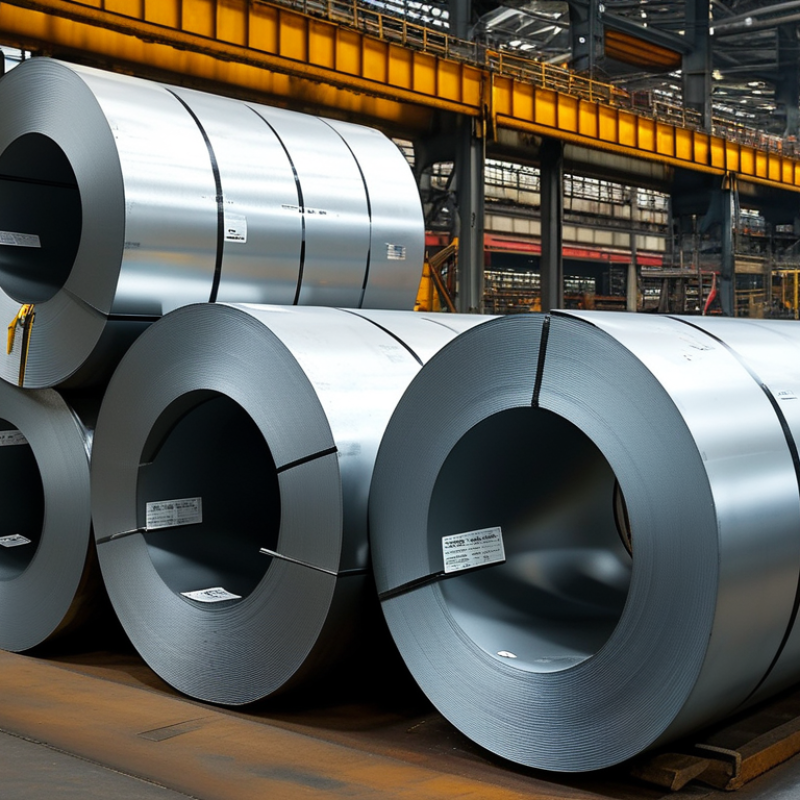
Understanding Cold Rolled Steel and Its Applications
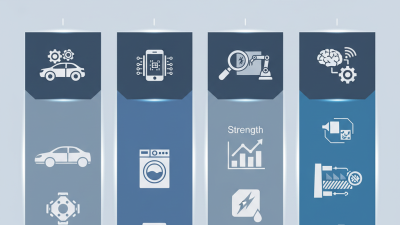
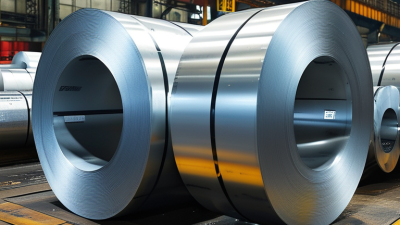
Cold rolled steel is a crucial material in various industries. It undergoes a specific manufacturing process that involves further processing of hot rolled steel. This method enhances the steel's strength and surface finish, making it suitable for applications such as automotive parts, appliances, and furniture. According to a report by Grand View Research, the global cold rolled steel market was valued at approximately $363.2 billion in 2021, highlighting its significance in global sourcing.
Different grades of cold rolled steel cater to specific applications. For example, low-carbon steel is often used for applications requiring high ductility, such as the production of car body panels. On the other hand, high-carbon steel is suitable for manufacturing tools and machinery due to its high strength. In Europe, around 45% of cold rolled steel is used in the automotive sector, signifying its critical role in innovation and design within that industry.
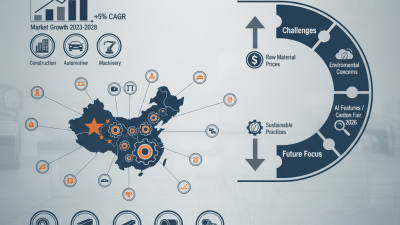
The cold rolled steel market is evolving. Growing demand for lightweight, high-strength materials is driving technological advancements. However, sourcing cold rolled steel can pose challenges, including fluctuating prices and quality control issues. It requires careful assessment and monitoring of suppliers to ensure you are getting reliable materials for your production needs. Choosing the right suppliers is essential for maintaining product quality and managing costs effectively.
Identifying Key Suppliers for Global Sourcing of Cold Rolled Steel
When sourcing cold rolled steel globally, identifying the right suppliers is crucial. Start by evaluating suppliers' track records. Look into their production capacity, quality assurance processes, and customer reviews. Reliable suppliers often have well-documented histories that showcase their consistency in delivering quality products.
Networking plays a significant role in finding qualified suppliers. Attend industry trade shows and exhibitions. These events provide opportunities to meet suppliers face-to-face. Engaging in conversations can reveal insights into their operations. Additionally, online platforms and forums can serve as valuable resources for recommendations and advice from industry professionals.
It's important to consider varying factors such as pricing and delivery times. Not all low-cost suppliers provide high-quality materials. Sometimes, taking the cheaper route leads to compromises that affect project outcomes. Supplier reliability is as essential as price. Diligently research potential suppliers and hold them accountable for their commitments.
Evaluating Quality Standards and Certifications for Cold Rolled Steel
When sourcing cold rolled steel, it's essential to prioritize quality standards and certifications. According to the International Organization for Standardization (ISO), cold rolled steel should comply with ISO 9001 standards for quality management systems. This ensures that the manufacturing processes are consistent and reliable. Reports indicate that steel manufactured to these standards reduces defects by nearly 20%. Evaluating suppliers based on their adherence to these standards can significantly impact product performance.
Moreover, certifications like ASTM A1008 and EN 10130 should be considered. These designations specify the required properties of cold rolled steel, including thickness, surface finish, and mechanical properties. Notably, ASTM A1008 is recognized globally, ensuring compatibility across various industries such as automotive and construction. Understanding these certifications can help avoid costly mistakes. Reports show that non-compliance can lead to failures in critical applications, increasing costs and safety risks.
Some suppliers may claim compliance; however, verifying these claims is crucial. Always request documentation and check for third-party validations. Conducting audits can also reveal potential discrepancies in these claims. Being diligent can save money and time in the long run. The importance of thorough evaluation cannot be overstated, as it lays the groundwork for the success of your sourcing strategy.
Negotiating Pricing and Terms with Cold Rolled Steel Suppliers
When negotiating pricing and terms with cold rolled steel suppliers, preparation is key. Research current market trends to understand price fluctuations. Knowing the average pricing helps you set realistic expectations. Use data to support your negotiations. Suppliers will respect a well-informed buyer.
When approaching suppliers, clarity in your requirements is essential. Specify the grades and dimensions of steel needed. This reduces back-and-forth communication and speeds up the process. Be open about your budget constraints. Suppliers appreciate honesty and may offer alternatives that fit your needs.
Negotiating isn’t just about price. Pay attention to payment terms and delivery schedules. Shorter lead times may cost more, but they can be worth it for urgent projects. Discussing these terms upfront helps prevent misunderstandings later. Reflect on what you truly need versus what may be negotiable. A flexible approach can lead to better deals.
Logistics and Delivery Considerations in Sourcing Cold Rolled Steel
When sourcing cold rolled steel, logistics and delivery are crucial. Efficient logistics impact costs, timelines, and overall project success. According to a report by the World Steel Association, logistics can account for up to 25% of total steel production costs. This highlights the importance of selecting the right logistics partner.
Effective delivery management involves understanding lead times and potential delays. The average lead time for importing cold rolled steel can range from 4 to 12 weeks, depending on various factors. Weather, port congestion, and customs regulations may cause disruptions. Accurate forecasting and communication with suppliers are essential to mitigate these risks.
Storage facilities also matter. Having a partner with adequate warehousing can prevent stockouts or excess inventory. It allows for better control over quality and quantity before final delivery. Mismanagement in this area can lead to quality issues or increased costs, making it vital to consider not just price but overall service quality.
Cold Rolled Steel Sourcing Analysis (2026)

 Angle Steel
 Channel Steel
 Universal Beam (l-Beam)
 H-Beam Steel
 Galvalume Steel Coil
 Galvalume Steel Sheet
 Galvanized Steel Sheet
 Color Coated Plate
 Stainless Steel Bar
 Stainless Steel Pipe
 Steel Bar
 Wire Rope
 Carbon Steel Pipe
 Carbon Steel Plate
 Aluminum Plate
 Aluminum Coil
 Aluminum Pipe
 Aluminum Bar
 Magnesium Ingot
 Fasteners