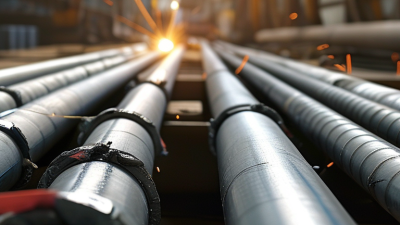
Why Choose Carbon Steel Channel for Your Next Project?
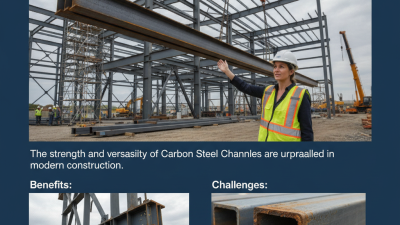
When considering materials for construction and manufacturing, Carbon Steel Channel stands out as a popular choice. According to the American Institute of Steel Construction, the use of steel in construction continues to rise, with carbon steel comprising approximately 70% of this market. Its properties offer strength, durability, and versatility. This makes Carbon Steel Channel ideal for various applications, including structural support and framing.
Industry data indicates that Carbon Steel Channel can significantly reduce construction costs. Its lightweight nature and ease of fabrication allow for faster project completion. Engineers and architects rely on its ability to withstand significant loads while maintaining structural integrity. However, it is essential to assess the specific requirements of each project. Some may find alternative materials more suitable for unique circumstances.
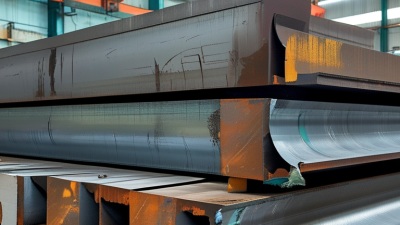
While Carbon Steel Channel provides many advantages, it is not without challenges. Corrosion resistance may vary, requiring protective coatings in specific environments. Understanding these factors ensures informed decisions in material selection. Ultimately, the choice of Carbon Steel Channel can enhance project efficiency and performance when used correctly.
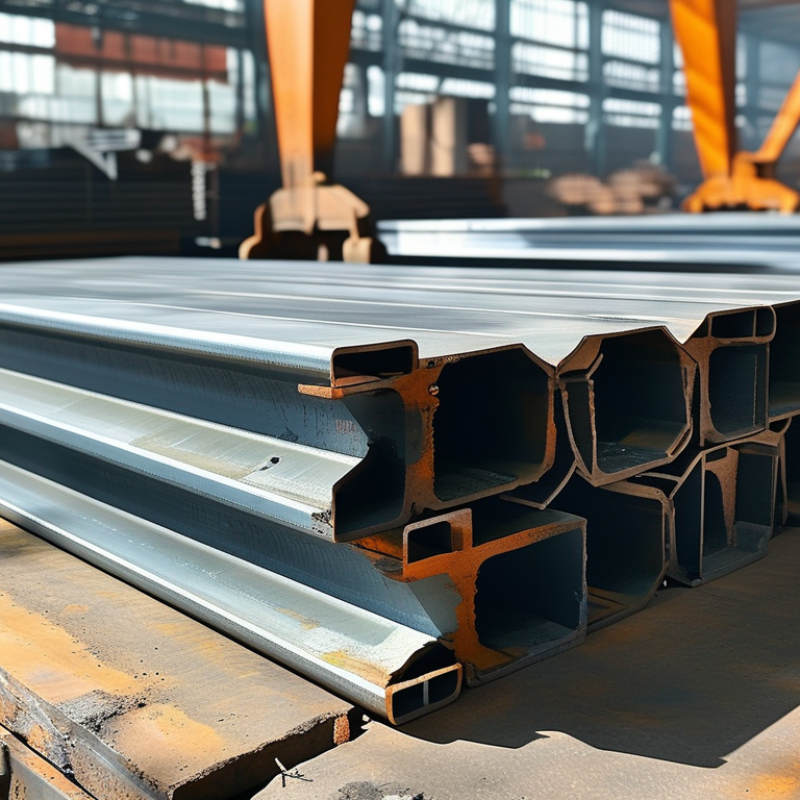
Benefits of Carbon Steel Channel in Construction Projects
Carbon steel channels are increasingly favored in construction projects due to their numerous benefits. One key advantage is high strength-to-weight ratio. According to a report from the American Institute of Steel Construction, carbon steel can support significant loads while remaining lightweight. This characteristic makes it ideal for large-scale frameworks and support structures.
Additionally, carbon steel's versatility is noteworthy. It can be fabricated into various shapes and sizes, allowing for diverse applications. The ease of welding and cutting enhances its use on construction sites. A 2022 study indicated that nearly 70% of engineers prefer carbon steel in structural designs due to these fabrication benefits. This versatility can lead to cost savings during the construction process as custom components can be efficiently created and installed.
However, it is worth noting that carbon steel may corrode over time. Without proper treatment, its longevity can be compromised. Some projects require added considerations for maintenance and protective coatings. Understanding these challenges allows professionals to make informed decisions. Ultimately, the choice of carbon steel channels should be based on specific project requirements and conditions.
Key Properties of Carbon Steel Channel Materials
Carbon steel channels are widely used in construction and manufacturing due to their versatile properties. These materials have a high strength-to-weight ratio, making them suitable for various structural applications. The hardness of carbon steel ensures durability, which is essential for projects that require longevity. Whether in architectural frameworks or support structures, carbon steel channels provide reliable performance.
One of the key properties is their excellent weldability. This allows for easy integration into different projects. The ability to be welded without significant loss of strength is crucial. Another notable quality is corrosion resistance when properly treated. This improves the channel's lifespan and reduces maintenance costs. While untreated carbon steel may rust, coatings or galvanization can enhance its resilience.
Some may argue that carbon steel is heavy compared to other materials. This could be a drawback in specific applications where weight is a concern. However, the benefits often outweigh this issue, especially in load-bearing designs. Understanding these aspects can lead to more informed decisions in material selection. Reflecting on the specific needs of your project can help you appreciate the unique qualities of carbon steel channels.
Common Applications of Carbon Steel Channel in Industries
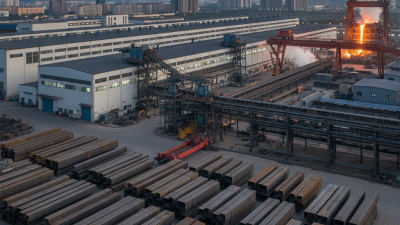
When considering materials for your next project, carbon steel channel stands out for its versatility. It finds common applications in construction, manufacturing, and even transportation. For instance, many buildings utilize carbon steel channels as structural supports. They provide strength and stability, essential for any construction activity. Additionally, these channels are often used in manufacturing equipment, where durability is a must.
In the transportation sector, carbon steel channels serve as vital components in vehicle frameworks. They're used to enhance structural integrity and can significantly reduce weight while maintaining strength. Their resistance to deformation under heavy loads makes them a popular choice in this industry.
When selecting carbon steel channels, consider the specific needs of your project. Evaluate load-bearing requirements carefully. Check environmental factors like exposure to moisture or chemicals. This will ensure the longevity and effectiveness of your chosen materials. Each application demands its unique specifications, so do thorough research before finalizing your decision.
Comparison of Carbon Steel Channel with Other Materials
When considering materials for construction projects, carbon steel channel stands out against alternatives like aluminum or plastic. Carbon steel offers superior strength, making it ideal for load-bearing applications. In contrast, aluminum may be lighter but often lacks the same tensile strength. Plastic, while corrosion-resistant, doesn’t match carbon steel's durability in heavy-duty contexts.
Evaluating your project's needs is crucial. If your structures face high stress or heavy loads, carbon steel is the go-to option. It withstands harsh environments and offers reliable performance over time. Yet, its weight can be a disadvantage in some applications. Finding the right balance is key.
Taking into account the cost, carbon steel can be more economical than aluminum in the long run. However, remember that the initial investment varies. Don't overlook maintenance needs, as both carbon steel and aluminum may require different levels of care. Consider using protective coatings to extend longevity and reduce rust formation.
Comparison of Material Cost and Strength
Tips for Selecting the Right Carbon Steel Channel for Your Needs
When selecting carbon steel channels, several factors should be considered to ensure they meet project requirements. Understanding the dimensions and weight capacities is critical. For instance, the American Institute of Steel Construction (AISC) notes that standard carbon steel channels can support significant loads, making them ideal for structural applications. Choosing the right channel involves assessing both the load-bearing capacity and the dimensions that fit your design needs.
Quality is just as important as specifications. Carbon steel comes in various grades, each with distinct mechanical properties. According to industry studies, higher-grade channels offer improved tensile strength and durability, which can lead to a longer lifespan for your project. However, it's essential to balance quality with budget constraints. Some may opt for lower grades to cut costs, but this can lead to issues down the line, necessitating more frequent repairs or replacements.
Consider the environmental factors at play. Exposure to moisture can lead to corrosion, impacting the channel's performance. A study from the Steel Construction Institute highlights that protective coatings can enhance corrosion resistance significantly. However, these coatings can add to the initial project cost. While achieving both durability and cost-effectiveness is challenging, exploring all options is crucial for the project's long-term success.
Why Choose Carbon Steel Channel for Your Next Project? - Tips for Selecting the Right Carbon Steel Channel for Your Needs
| Channel Size (inches) |
Weight (lbs/ft) |
Material Grade |
Common Uses |
Corrosion Resistance |
| 3 x 2 x 1/4 |
5.3 |
A36 |
Construction, Framing |
Moderate |
| 4 x 3 x 1/4 |
6.7 |
A572 Gr. 50 |
Heavy Equipment, Support Structures |
Moderate |
| 6 x 4 x 1/4 |
9.1 |
A992 |
Building Frames, Bridges |
Good |
| 8 x 5 x 1/4 |
12.2 |
A36 |
Industrial Racking, Storage |
Moderate |

 Angle Steel
 Channel Steel
 Universal Beam (l-Beam)
 H-Beam Steel
 Galvalume Steel Coil
 Galvalume Steel Sheet
 Galvanized Steel Sheet
 Color Coated Plate
 Stainless Steel Bar
 Stainless Steel Pipe
 Steel Bar
 Wire Rope
 Carbon Steel Pipe
 Carbon Steel Plate
 Aluminum Plate
 Aluminum Coil
 Aluminum Pipe
 Aluminum Bar
 Magnesium Ingot
 Fasteners