How to Choose the Right Steel Pipe for Your Project?
Choosing the right Steel Pipe for your project can significantly impact its success. As industry expert John Smith, a respected engineer with over 20 years of experience in structural engineering, states, “Selecting the appropriate Steel Pipe involves understanding both the function and the environment.” This highlights the necessity of informed decision-making when it comes to materials.
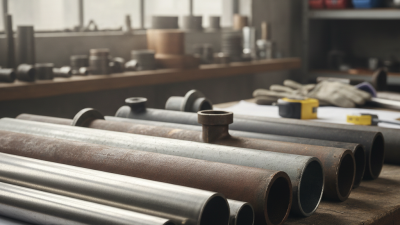
Steel Pipes come in various sizes, grades, and coatings. Each type serves different purposes. For instance, some pipes are better suited for high-pressure applications, while others excel in corrosion resistance. It's essential to consider factors such as your project's location and the intended use to ensure optimal performance.
Working with Steel Pipes often requires a balancing act. You might need to weigh cost versus durability. Making the wrong choice here could lead to increased expenditures down the line. Therefore, understanding the nuances of Steel Pipe specifications is crucial. Assess your specific needs carefully to avoid future complications.
Understanding the Different Types of Steel Pipes Available in the Market
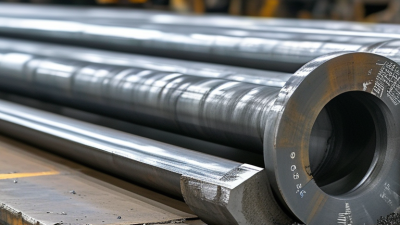
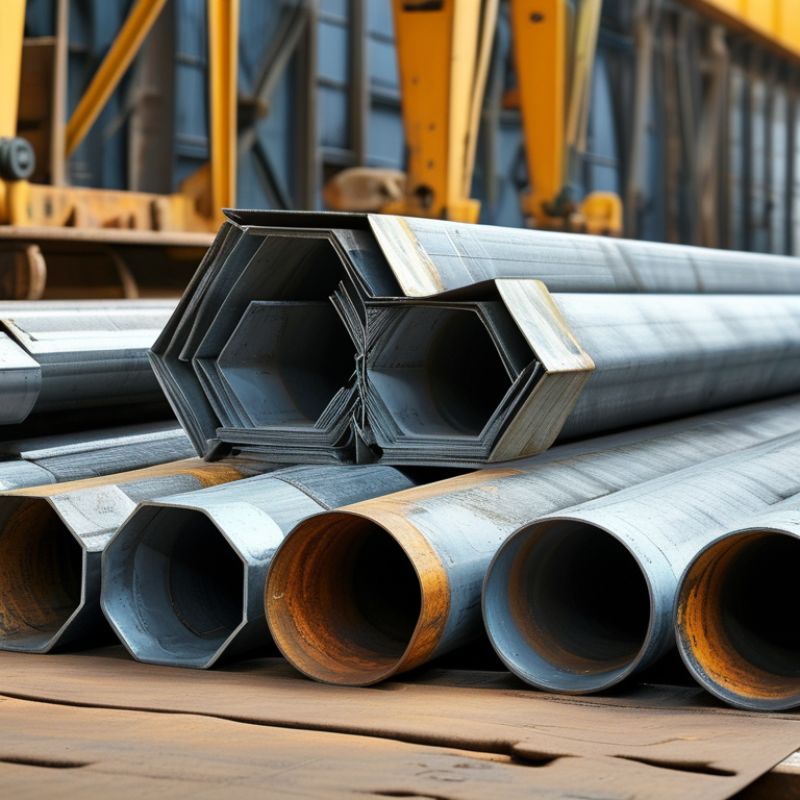
When selecting steel pipes, understanding the different types available is crucial. The market offers several categories, including seamless, welded, and spiral welded pipes. Each type serves distinctive purposes. For instance, seamless pipes have no joints, enhancing strength and pressure resistance. According to a recent industry report, seamless pipes account for approximately 25% of overall steel pipe usage in various sectors.
Welded pipes, on the other hand, are made by joining flat steel sheets. They are generally more cost-effective but have some limitations in high-pressure applications. Data shows that these pipes represent almost 70% of the market. They find extensive use in construction and industrial projects, where budget constraints are significant.
However, challenges exist. The choice of steel grade can impact performance. For example, utilizing lower-grade steel in high-stress areas can lead to catastrophic failures. Reflecting on these risks is essential. Ensuring compliance with industry standards is paramount. Ultimately, the right choice hinges on project-specific requirements and understanding the properties of each pipe type.
Key Factors to Consider When Selecting Steel Pipe for Your Project
Selecting the right steel pipe for your project requires careful consideration of several key factors. Material specifications are paramount. For example, carbon steel is often chosen for its strength and low cost. A report by the American Society for Testing and Materials (ASTM) highlights that carbon steel can withstand varying pressures and temperatures, making it suitable for many applications. Stainless steel offers corrosion resistance, which is essential for projects in challenging environments. This material may cost more, but its longevity can reduce long-term costs.
The pipe's diameter and wall thickness are also critical. A study by the American Institute of Steel Construction indicates that choosing the right dimensions can impact flow rates and structural integrity. Miscalculating these factors can lead to suboptimal performance and safety hazards. Determining the right coating process is another key aspect. Different coatings ensure durability under specific environmental conditions. Ultimately, selecting the right steel pipe hinges on understanding the project requirements and available materials. While there is a wealth of information available, interpreting it effectively remains a challenge for many professionals.
Analyzing the Importance of Pipe Coatings and Corrosion Resistance
Selecting the appropriate steel pipe for your project is crucial. One of the most significant factors is the pipe's coating. Coatings can enhance corrosion resistance, extend the pipe's lifespan, and improve reliability. Steel pipes are often exposed to harsh environments. Without proper coatings, they can corrode quickly. This leads to costly repairs and potential project delays.
Corrosion doesn't just affect the pipe; it impacts the entire system. Choosing a pipe with effective corrosion resistance can save money in the long run. Factors like environment and exposure determine the type of coating needed. Some coatings might be effective in one setting but fail in another. Regular inspections and maintenance are essential. Even a well-coated pipe can suffer from unexpected wear and tear.
It's vital to understand the limitations of coatings. No coating offers 100% protection. Understanding these limitations ensures better decision-making. You may need a multi-layer approach for specific projects. This can lead to enhanced protection against corrosion. Making informed choices helps secure the integrity of your piping systems.
Evaluating the Specifications and Standards for Steel Pipe Selection
When selecting steel pipes for a project, understanding specifications and standards is crucial. Steel pipes come in various grades and sizes, each designed for specific applications. According to the American Society for Testing and Materials (ASTM), the right choice depends on factors such as pressure ratings, temperature tolerance, and corrosion resistance. For instance, API 5L pipes are widely used for oil and gas transportation, thanks to their strength and durability.
Tip: Always verify the specifications to ensure compliance with industry standards. Not every steel pipe is suitable for every project. A common mistake is to overlook wall thickness, which can significantly impact performance. GB/T 9711 standards in China emphasize the importance of proper wall thickness based on the operating pressure.
Investing time in evaluating these standards pays off in the long run. Be aware that many projects face unexpected challenges. Proper documentation of specifications can mitigate issues later. Additionally, working closely with suppliers who prioritize quality assurance can help in making informed decisions. Remember, attention to detail in steel pipe selection is key to project success.
Steel Pipe Specification Comparison
This chart compares the most common specifications for steel pipes used in construction projects, highlighting the differences in diameter, wall thickness, and pressure rating.
Cost Analysis: Budgeting for Different Steel Pipe Options in Construction
Selecting the right steel pipe involves understanding various cost factors. Different types of steel pipes have different price points, impacting your budget. For instance, carbon steel pipes tend to be more affordable compared to stainless steel options. However, the long-term durability of stainless steel can offset its initial higher cost.
When budgeting, consider additional expenses. Installation costs, maintenance, and potential repairs should be factored in. A cheaper pipe might save money upfront but could lead to increased costs later. Always assess how the pipe will be used in your project. If high pressure or corrosive environments are expected, investing in a quality pipe is essential.
Additionally, reflect on sourcing decisions. Local suppliers might have different pricing than larger distributors. It’s vital to gather quotes from various sources while ensuring you’re comparing similar products. Keep in mind that cutting corners on materials can lead to significant future costs. Balancing upfront costs with quality is crucial for any construction project.
How to Choose the Right Steel Pipe for Your Project?
| Pipe Type |
Diameter (inches) |
Thickness (gauge) |
Estimated Cost per Foot ($) |
Application |
| Black Steel Pipe |
2 |
Schedule 40 |
$10.00 |
Plumbing |
| Galvanized Steel Pipe |
3 |
Schedule 40 |
$12.50 |
Water Supply |
| Stainless Steel Pipe |
4 |
Schedule 10 |
$25.00 |
Food Processing |
| Carbon Steel Pipe |
6 |
Schedule 80 |
$15.00 |
Construction |
| PVC-Coated Steel Pipe |
2 |
Schedule 40 |
$20.00 |
Electrical Conduit |

 Angle Steel
 Channel Steel
 Universal Beam (l-Beam)
 H-Beam Steel
 Galvalume Steel Coil
 Galvalume Steel Sheet
 Galvanized Steel Sheet
 Color Coated Plate
 Stainless Steel Bar
 Stainless Steel Pipe
 Steel Bar
 Wire Rope
 Carbon Steel Pipe
 Carbon Steel Plate
 Aluminum Plate
 Aluminum Coil
 Aluminum Pipe
 Aluminum Bar
 Magnesium Ingot
 Fasteners