10 Essential Tips for Choosing the Right Metal Pipe for Your Project?
Choosing the right metal pipe for your project can be a daunting task. According to Dr. Emily Carter, a materials engineer with over a decade of experience, "Selecting the correct metal pipe is crucial for safety and durability." Her insights remind us that the stakes are high when it comes to metal pipe applications.
Metal pipes come in various materials and specifications. Each type can significantly impact the integrity of your project. For instance, stainless steel pipes resist corrosion but might be overkill for simple drainage. On the other hand, galvanized pipes are cost-effective but may not last as long in certain environments.
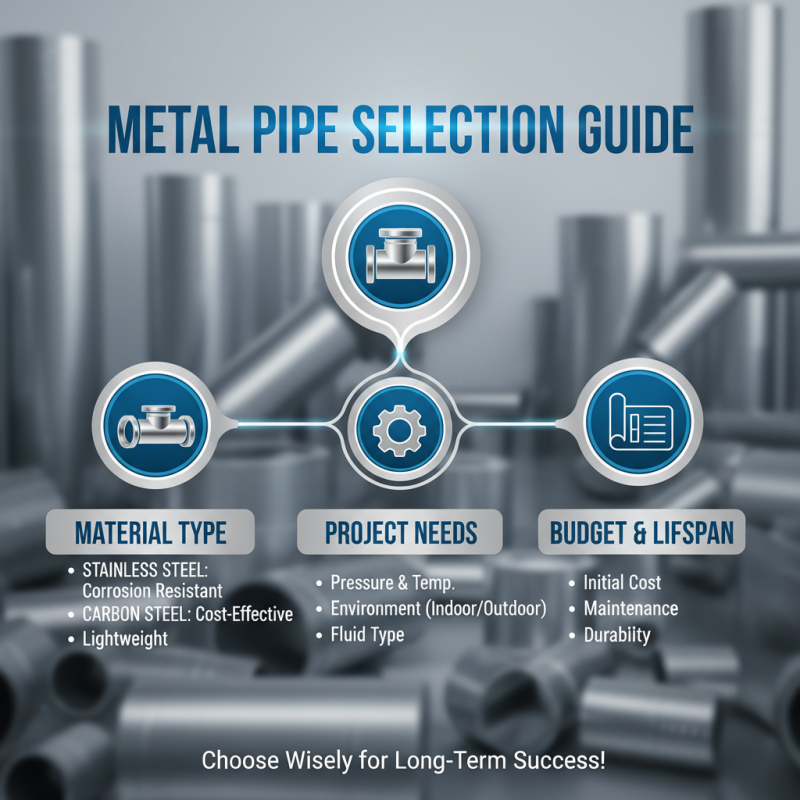
Understanding your specific needs is essential. Factors like temperature, pressure, and surrounding conditions can influence your choice. While we all want a quick solution, it's prudent to reflect on the long-term implications of your selection. Rushing can lead to costly mistakes in functionality and safety. A solid foundation begins with the right metal pipe choice.
Understanding Different Types of Metal Pipes and Their Applications
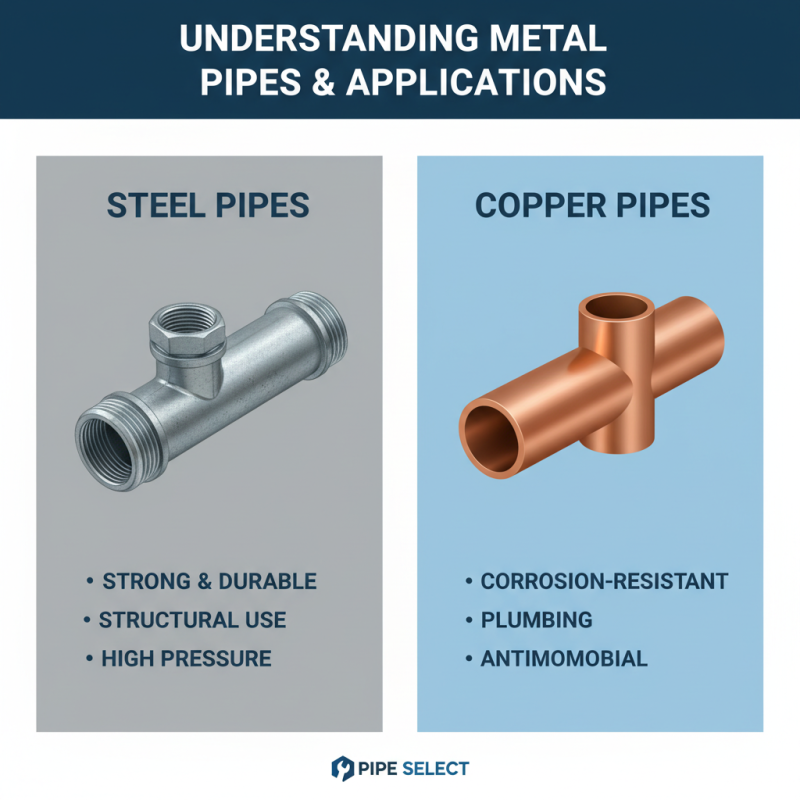
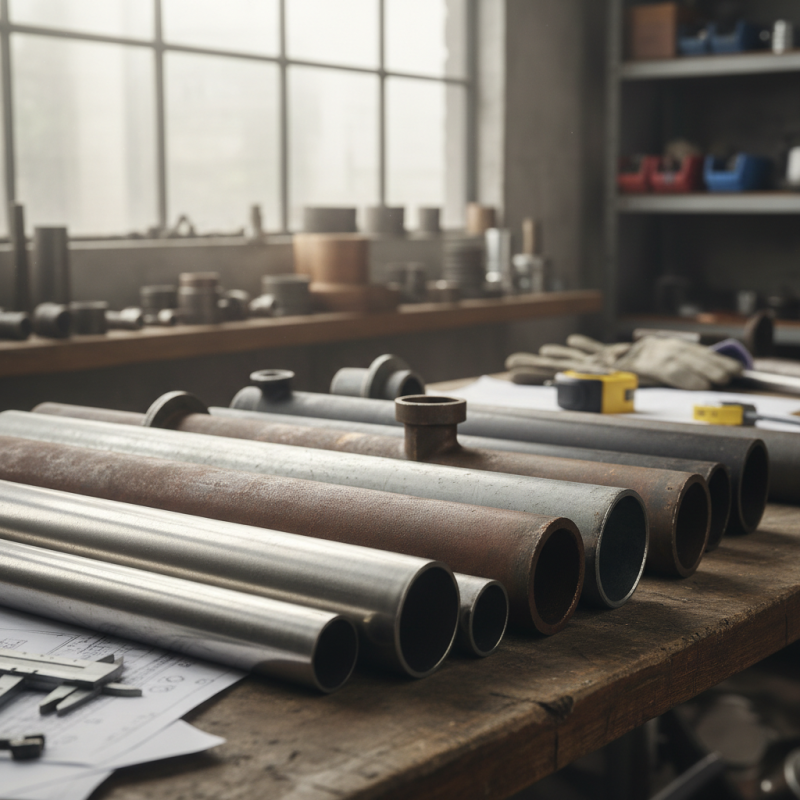
When selecting the right metal pipe for your project, understanding the various types is crucial. Different metal pipes serve different purposes, making informed choices essential. Steel pipes are strong and resilient, ideal for structural applications. They handle high-pressure conditions well. Copper pipes, on the other hand, are great for plumbing. They resist corrosion and provide natural antimicrobial properties.
Aluminum pipes are lightweight and have good resistance to rust. This makes them suitable for applications where weight is a concern. Stainless steel pipes are known for their durability and aesthetic appeal. They are often used in food and pharmaceutical industries due to their cleanliness. Each type has its pros and cons. While steel offers strength, it may rust without proper treatment. Aluminum’s lightweight nature can be beneficial but may not withstand heavy loads.
Consider the environment and application when choosing your pipe. Non-metal alternatives are lighter but could lack durability. Think about the long-term implications, maintenance needs, and cost-effectiveness. Understanding the unique characteristics of each type empowers you to make better decisions for your project.
Key Factors to Consider When Selecting Metal Pipes for Your Project
When selecting metal pipes for your project, consider several key factors. The first is the material type. Common options include stainless steel, carbon steel, and aluminum. Each material has distinct advantages. For instance, stainless steel resists corrosion, while carbon steel is often more cost-effective. Analyzing the specific needs of your project will help narrow down your choices.
Another critical factor is pipe dimensions. Proper sizing ensures that the pipes can handle the required pressure and flow rates. Measure the diameter and wall thickness carefully. An incorrect size can lead to failures. Don’t overlook the pipe length either. It's essential to determine how much you need before purchase.
Lastly, think about the environment where the pipes will be installed. Will they face extreme temperatures or corrosive substances? Consideration of these conditions can greatly impact performance and longevity. Reflect on past mistakes—choosing unsuitable materials can lead to costly repairs. Balancing these factors requires thoughtful deliberation but can lead to a successful project outcome.
Evaluating Pipe Sizes and Dimensions for Optimal Fit and Functionality
Choosing the right metal pipe for your project involves careful evaluation of sizes and dimensions. The diameter and wall thickness of the pipe significantly impact its performance. A larger diameter means higher flow rates, but it may require more space on your site. Wall thickness determines strength and durability. Thinner pipes may not withstand high pressure, while thicker ones add weight and cost.
Consider the material type as well. Stainless steel, carbon steel, and aluminum have different properties. Stainless steel resists corrosion but can be more expensive. Carbon steel offers strength but may need more maintenance. Assess your project's specific needs against these factors.
Think about expected conditions too. Will the pipe face extreme temperatures or pressure? Poor choices here can lead to failures. Measure your available space accurately. A pipe that seems to fit may create issues later. Always factor in installation requirements and tools needed. Mistakes in these initial evaluations can cause delays or increased costs down the road.
10 Essential Tips for Choosing the Right Metal Pipe for Your Project
This chart illustrates the optimal pipe sizes and dimensions to consider for various applications, based on common usage scenarios.
Assessing Material Strength and Durability for Long-Term Use
When considering metal pipes for your project, assessing material strength and durability is crucial. Metal pipes come in various materials such as steel, aluminum, and copper, each with unique properties. Steel is commonly valued for its strength but may corrode over time. Aluminum is lightweight and resistant to corrosion but can lack strength under high pressure. Copper is durable, yet its cost can be a concern.
Evaluate the project's specific demands. For structural applications, prioritize strength to support loads effectively. Additionally, consider environmental factors. If the pipe will face moisture, choose materials resistant to rust and chemical damage. Take into account the lifespan you expect; some materials may need replacement sooner than others.
Testing can help determine the best fit. Small-scale experiments with different materials can reveal weaknesses. Document your findings thoroughly; this will aid future choices. Reflect on the potential for error in your assessments. Sometimes, what seems strong can fail under unexpected circumstances. Pay attention to standards and certifications; this adds to the reliability of your selection process.
10 Essential Tips for Choosing the Right Metal Pipe for Your Project
| Tip Number |
Tip Description |
Material Strength |
Durability Rating |
Best Use Case |
| 1 |
Identify your project's pressure requirements. |
High |
Excellent |
Industrial piping |
| 2 |
Consider environmental factors like temperature. |
Medium |
Good |
HVAC systems |
| 3 |
Evaluate corrosion resistance. |
High |
Excellent |
Chemical processing |
| 4 |
Assess the mechanical properties. |
Varies |
Varies |
Structural applications |
| 5 |
Determine the appropriate diameter. |
N/A |
N/A |
Flow systems |
| 6 |
Research welding compatibility. |
High |
Good |
Custom fabrications |
| 7 |
Opt for standard sizes to simplify procurement. |
N/A |
N/A |
General construction |
| 8 |
Check the weight for handling considerations. |
Varies |
Good |
Transport and installation |
| 9 |
Analyze maintenance needs for longevity. |
Medium |
Good |
Long-term installations |
| 10 |
Consult industry standards and regulations. |
N/A |
N/A |
Compliance purposes |
Cost Considerations and Budgeting for Your Metal Pipe Selection
When selecting the right metal pipe, budgeting and cost considerations are paramount. Industry reports indicate that approximately 60% of project costs stem from material selection. Metal pipe prices can vary dramatically based on the type, with carbon steel commonly priced at $0.50 to $2.50 per pound, while specialized alloys can cost much more. These numbers reflect the market’s volatility, influenced by factors like global demand and raw material availability.
It’s crucial to account for lifecycle costs, including installation and maintenance. While a cheaper pipe may lower initial expenditures, it might lead to higher operational costs in the long run. For instance, stainless steel pipes, although initially pricier, offer corrosion resistance that can add years to their lifespan. Research from industry experts shows that investing in more durable materials can reduce overall expenses by up to 30% over time.
Engaging with suppliers to understand bulk pricing and negotiating contracts can also be beneficial. While initial budgets may seem sufficient, unforeseen needs often arise during projects. Always brace for at least a 10-15% contingency fund. Being flexible and informed can combat unexpected costs. Effective budgeting involves thorough analysis, adaptability, and future-proofing your project with the right material decisions.

 Angle Steel
 Channel Steel
 Universal Beam (l-Beam)
 H-Beam Steel
 Galvalume Steel Coil
 Galvalume Steel Sheet
 Galvanized Steel Sheet
 Color Coated Plate
 Stainless Steel Bar
 Stainless Steel Pipe
 Steel Bar
 Wire Rope
 Carbon Steel Pipe
 Carbon Steel Plate
 Aluminum Plate
 Aluminum Coil
 Aluminum Pipe
 Aluminum Bar
 Magnesium Ingot
 Fasteners