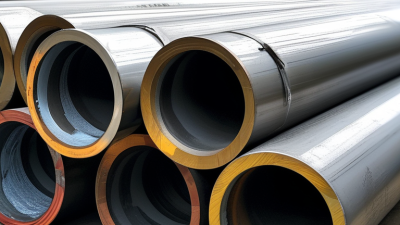
Why Choose Stainless Steel Coil Pipe for Your Next Project?
When considering materials for your next construction project, the choice of stainless steel coil pipe stands out. This reliable option offers strength and durability, crucial for various applications. With resistance to corrosion, stainless steel coil pipe ensures longevity in challenging environments. It's widely used in industries, from plumbing to food processing, demonstrating its versatility.
Many may overlook the benefits of stainless steel coil pipe. However, its lightweight nature and flexibility make installation easier and faster. Unlike heavier alternatives, it allows for greater efficiency on-site. This can save both time and costs during project execution.
It's essential to consider the specific needs of your project. While stainless steel coil pipe excels in many areas, its initial cost can be higher. Reflecting on your budget and long-term goals is vital. The investment often pays off through durability and lower maintenance requirements. Choosing stainless steel coil pipe could enhance your project's success when evaluated carefully.
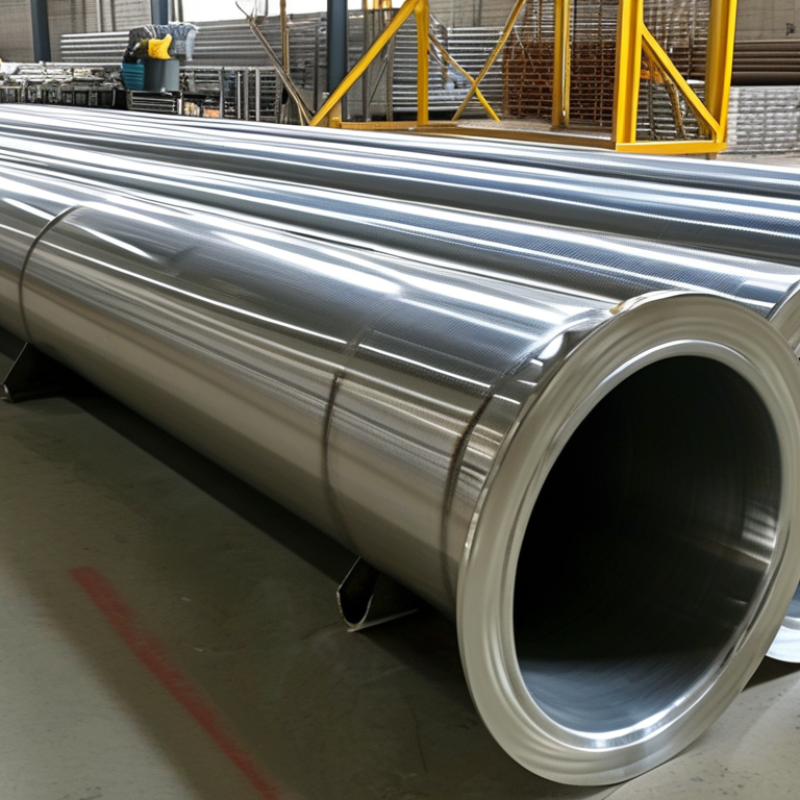
Benefits of Using Stainless Steel Coil Pipe in Construction Projects
Stainless steel coil pipes offer numerous advantages for construction projects. Their corrosion resistance makes them ideal for various environments. Construction sites often deal with moisture and chemicals. Stainless steel stands strong where other materials fail. This durability means fewer replacements and less maintenance over time.
When considering materials, think about long-term benefits. Stainless steel coil pipes can withstand high pressure. They maintain structural integrity, ensuring safety in building projects. This material also has a sleek appearance, appealing to modern design needs. It's a versatile choice for both residential and commercial uses.
Tips for selecting stainless steel coil pipes include checking the grade of the steel. Different grades suit different applications. You might also want to assess the project's environmental factors. Proper insulation is essential to optimize energy efficiency. Craftsmanship matters; investing in quality can save costs later on.
Comparative Analysis: Stainless Steel vs Other Materials for Pipes
When considering materials for pipes in construction projects,
stainless steel is often a top choice. Compared to other materials, like PVC or copper, stainless steel offers superior corrosion resistance.
According to a report by the American Society for Testing and Materials, stainless steel pipes can last over 50 years in various environments, which is significantly longer than PVC, which averages about 20 years.
This longevity contributes to lower maintenance costs and fewer replacements.
Another advantage is strength. Stainless steel pipes can withstand higher pressure and temperatures.
Data from the International Stainless Steel Forum shows that stainless steel has a tensile strength that is 2-3 times greater than that of PVC and copper.
However, the initial cost of stainless steel is typically higher than these alternatives. It's essential to weigh these factors when planning your project.
Identifying the right material can save time and resources in the long run. If the environment is prone to corrosion, stainless steel may be the safest bet.
In contrast, if the application doesn't require high strength or longevity, lighter materials might suffice. Always assess the specific needs of your project carefully.
Key Properties of Stainless Steel That Enhance Project Longevity
Stainless steel coil pipes are gaining popularity in various industries. Their unique properties make them ideal for long-term projects. One key advantage is corrosion resistance. Stainless steel has a natural ability to resist rust and tarnish. This feature ensures that projects maintain their integrity even under harsh conditions.
Another important property is durability. Stainless steel coil pipes can withstand high pressures and temperatures. They don't easily deform or break, which is crucial for safety. The longevity of projects increases significantly when using such reliable materials. Their strength reduces the need for frequent replacements or repairs, saving time and resources.
However, it’s essential to consider the initial cost. Stainless steel can be more expensive upfront than other materials. Yet, the long-term benefits often outweigh this drawback. Investing in quality materials may lead to fewer issues in the future. In addition, understanding maintenance needs is critical. While stainless steel is low maintenance, proper cleaning enhances its lifespan even further.
Cost-Effectiveness of Stainless Steel Coil Pipe for Various Applications
Stainless steel coil pipes are increasingly popular across various industries due to their cost-effectiveness. According to a recent industry report, stainless steel provides exceptional durability while reducing maintenance costs. In fact, using stainless steel can lower the total cost of ownership by up to 15% over time. This makes it a compelling choice for long-term projects.
The versatility of stainless steel coil pipes adds to their appeal. They are used in applications ranging from construction to food processing. A study highlighted that stainless steel's resistance to corrosion enhances product life, especially in demanding environments. Despite these advantages, selecting the right gauge and finish is critical. This can influence both performance and cost.
However, there are areas for reflection. The initial investment in stainless steel may be higher than other materials. Yet, this is often offset by lower maintenance and replacement costs. It's essential to consider lifecycle costs carefully. In some cases, traditional materials may still be viable for short-term projects, but they might incur higher operational costs in the long run. Evaluating these factors ensures informed decisions for future projects.
Common Applications of Stainless Steel Coil Pipe in Different Industries
Stainless steel coil pipes are versatile and widely used across various industries. They hold a preferred position in construction due to their strength and durability. Many builders choose stainless steel for plumbing systems. This type of pipe resists corrosion, making it ideal for transporting water and chemicals. It can withstand pressure changes without compromising structural integrity.
In the food and beverage sector, these pipes are crucial. They maintain hygiene standards and do not alter taste or composition. Stainless steel coil pipes are often used in processing plants, offering a seamless solution for liquid transport. Their flexibility allows for easier installation in tight spaces.
Despite these advantages, using stainless steel coil pipes isn't without challenges. Initial costs can be higher compared to other materials. They require specific tools for cutting and welding, which may not be readily available. This can lead to delays and increased labor costs for some projects. Overall, it's essential to weigh the pros and cons before making a final decision.
Common Applications of Stainless Steel Coil Pipe in Different Industries

 Angle Steel
 Channel Steel
 Universal Beam (l-Beam)
 H-Beam Steel
 Galvalume Steel Coil
 Galvalume Steel Sheet
 Galvanized Steel Sheet
 Color Coated Plate
 Stainless Steel Bar
 Stainless Steel Pipe
 Steel Bar
 Wire Rope
 Carbon Steel Pipe
 Carbon Steel Plate
 Aluminum Plate
 Aluminum Coil
 Aluminum Pipe
 Aluminum Bar
 Magnesium Ingot
 Fasteners