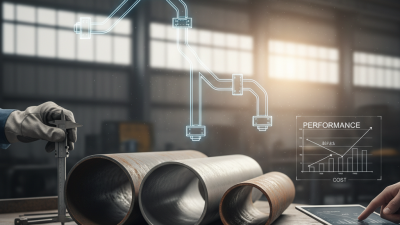
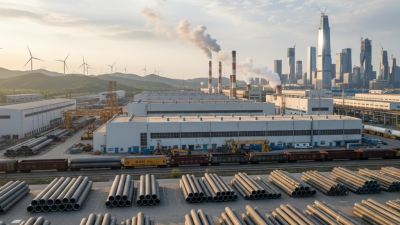
Why Choose Stainless Steel Coil Pipe for Your Projects?
In today's competitive construction landscape, choosing the right materials is crucial. Stainless Steel Coil Pipe has emerged as a preferred choice due to its durability and versatility. According to a recent industry report by the Stainless Steel Association, the demand for stainless steel products is projected to grow by 5% annually through 2025. This growth reflects a broader trend toward sustainable materials in various projects, making Stainless Steel Coil Pipe an ideal option.
Expert insights reinforce this trend. John Smith, a leading figure in materials engineering, states, "The resilience and adaptability of Stainless Steel Coil Pipe make it indispensable for modern construction." His expertise emphasizes how this material not only withstands corrosion but also requires less maintenance over time. However, it’s essential to evaluate cost versus benefits carefully, as price fluctuations in raw materials can affect project budgets.
Selecting Stainless Steel Coil Pipe isn't always straightforward. Factors such as material grade and thickness play significant roles in determining performance. A thorough understanding of these aspects can lead to better decision-making. Ultimately, embracing this material offers both long-term value and reliability, though it requires a thoughtful approach to ensure optimal use.
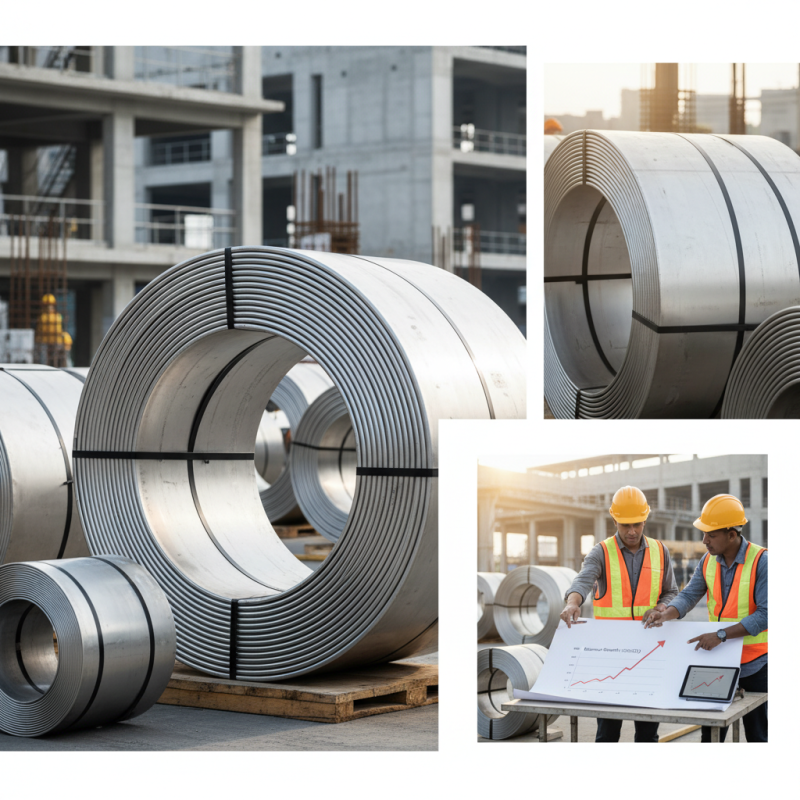
Benefits of Using Stainless Steel Coil Pipe in Construction Projects
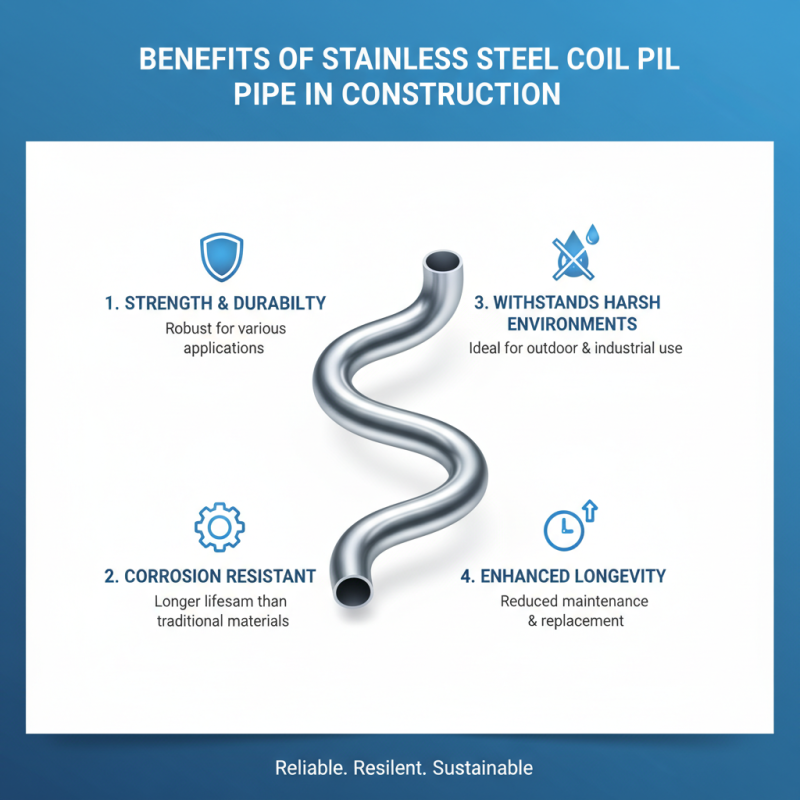
Stainless steel coil pipes offer numerous advantages for construction projects. Their strength and durability make them ideal for various applications. These pipes resist corrosion, meaning they can last longer than traditional materials. The ability to withstand harsh environments is crucial in many settings, from outdoor installations to industrial facilities.
One key benefit is the ease of installation. Stainless steel coil pipes are lightweight and flexible. They can be easily bent and shaped, allowing for quick adjustments on-site. However, this flexibility can also pose challenges. Improper handling may lead to kinks or bends that affect flow efficiency. Careful management during installation is essential to avoid these pitfalls.
In addition, stainless steel is recyclable. Using such materials aligns with sustainable building practices. Projects can reduce their environmental impact while maintaining quality. However, the initial cost can be higher than other materials, which may require careful budgeting. Balancing upfront expenses with long-term benefits is crucial in planning.
Durability and Corrosion Resistance of Stainless Steel Coil Pipe
Stainless steel coil pipes are widely recognized for their exceptional durability and corrosion resistance. This makes them suitable for various projects, particularly in harsh environments. Stainless steel's unique composition, primarily high levels of chromium, creates a protective layer against oxidation and corrosion. Industry reports indicate that stainless steel can outperform traditional carbon steel by up to four times in terms of lifespan in corrosive conditions.
In construction and plumbing, the importance of selecting materials that resist corrosion cannot be understated. For instance, a study published by the American Society of Mechanical Engineers (ASME) noted that around 30% of all maintenance costs in industrial settings arise from corrosion-related issues. Stainless steel coil pipes can mitigate these costs significantly. They have shown remarkable performance in areas with high humidity and exposure to chemicals. However, while stainless steel offers many benefits, it can also be more expensive initially compared to other materials.
Practicality is key. Some projects may not benefit as much from stainless steel. For example, in less corrosive environments where budget constraints are tight, other materials might be more suitable. It's essential to evaluate the specific needs of each project. Experts recommend performing a thorough cost-benefit analysis to ensure the right material choice. This not only impacts the project’s budget but also its long-term sustainability.
Applications of Stainless Steel Coil Pipe in Various Industries
Stainless steel coil pipes are widely used across various industries due to their strength and durability. In the oil and gas sector, these pipes are essential for transporting fluids under high pressure. According to a report from the International Energy Agency, stainless steel pipes can withstand harsh conditions, making them ideal for exploration and production activities.
In the food and beverage industry, stainless steel coil pipes are crucial for maintaining hygiene. They resist corrosion and do not leach substances into food. The Food Safety and Inspection Service emphasizes that using stainless steel materials minimizes contamination risks. This is vital in maintaining quality and safety standards.
Tips: When selecting stainless steel coil pipes, consider the specific application requirements. It's essential to understand the environment where the pipes will be used. Regular inspections can reveal wear that might compromise integrity. Additionally, review your project's specific needs to choose the right grade of stainless steel effectively.
Cost-Effectiveness of Stainless Steel Coil Pipe Over Time
Stainless steel coil pipes are proving to be a smart investment for various projects. Their durability and resistance to corrosion enhance their long-term value. Over time, you can save money with minimal maintenance costs. Unlike other materials, stainless steel does not rust easily, which can be a significant factor in overall project expenses.
In addition to durability, the versatility of stainless steel coil pipes shines through. They can adapt to various applications, making them suitable for different industries. Whether it’s for plumbing, heating, or even food processing, the choice of material can impact your budget extensively. You may find that while the initial cost is higher, the longevity of stainless steel can lead to unexpected savings over time.
Some may argue that the upfront investment is daunting. However, reflected on over the years, many discover these costs are often overshadowed by reduced repair and replacement needs. It’s essential to evaluate the total lifecycle of materials in your projects. Just like any decision, there are trade-offs. Assessing your specific needs will yield the best long-term benefits.
Environmental Impact and Sustainability of Stainless Steel Coil Pipe
Stainless steel coil pipes are increasingly recognized for their environmental impact and sustainability. According to a study by the International Stainless Steel Forum (ISSF), stainless steel offers an impressive recycling rate of over 90%. This means that a large percentage of stainless steel products can be reclaimed and utilized again, significantly reducing waste. This high level of recyclability is crucial in addressing global issues of resource depletion.
Moreover, the production of stainless steel itself is more energy-efficient compared to other materials. A report from the European Commission highlights that stainless steel requires less energy per ton produced compared to both carbon steel and aluminum. However, it’s important to note that not all stainless steel grades are created equal. Some might have a more substantial carbon footprint depending on the alloying elements used. This complicates the sustainability narrative and emphasizes the need for careful selection in projects.
The longevity of stainless steel is another factor to consider. Its resistance to corrosion ensures a long service life, reducing the need for replacement. However, care should be taken during its lifecycle to minimize emissions associated with its processing. The impact of stainless steel coil pipes can be mitigated through responsible sourcing and efficient manufacturing processes. Finding a balance between performance and environmental responsibility remains a persistent challenge in the industry.

 Angle Steel
 Channel Steel
 Universal Beam (l-Beam)
 H-Beam Steel
 Galvalume Steel Coil
 Galvalume Steel Sheet
 Galvanized Steel Sheet
 Color Coated Plate
 Stainless Steel Bar
 Stainless Steel Pipe
 Steel Bar
 Wire Rope
 Carbon Steel Pipe
 Carbon Steel Plate
 Aluminum Plate
 Aluminum Coil
 Aluminum Pipe
 Aluminum Bar
 Magnesium Ingot
 Fasteners