Choosing the 2026 best Hot Rolled Steel type requires more than comparing price per tonne. Global buyers must match steel performance with manufacturing conditions, climate, logistics, and local standards. A structural grade may suit a bridge project, while a low-carbon commercial grade may perform better for formed panels. The right choice depends on evidence.
This guide examines common hot rolled coils, sheets, and plates used across construction, machinery, automotive, energy, and fabrication markets. It compares yield strength, tensile strength, weldability, surface condition, thickness tolerance, and delivery form. Buyers should review ASTM, EN, JIS, or GB requirements before placing an order. Standards can change. Confirm the current edition.
Details matter. A mill test certificate should identify the heat number, chemical composition, mechanical results, dimensions, and inspection status. Independent testing may also verify thickness, flatness, and surface defects. A reliable supplier should explain production routes, export experience, packaging methods, and expected lead times. Photographs of edge protection and moisture-resistant wrapping can reveal practical quality. Small clues count.
Price alone is not enough.
No grade wins every market. That assumption is too simple. Some buyers may overpay for strength they never use. Others may select a cheaper grade and face welding problems, rework, or delayed delivery. This overview offers a practical comparison for informed decisions, while recognizing that regional codes, project drawings, and actual service conditions must guide final approval.
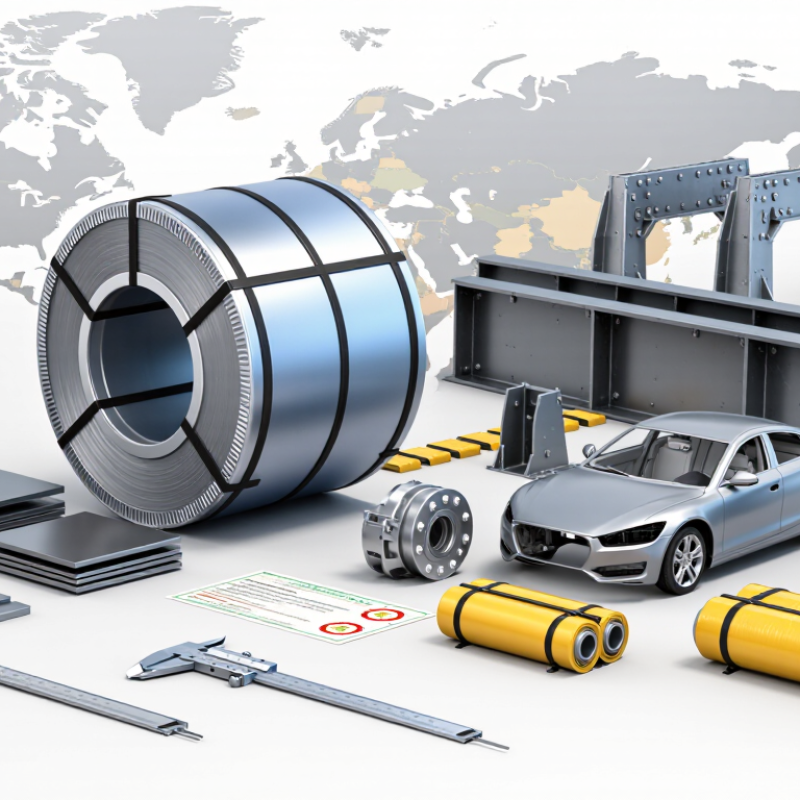
Hot-rolled steel is formed above its recrystallization temperature, usually within an austenitic range near 900–1,200°C. This heat allows steel grains to reform during rolling. The process reduces thickness efficiently and supports large structural sections.
The World Steel Association reported global crude steel production of about 1.88 billion tonnes in 2024. That scale shows why hot-rolled products remain essential for construction, machinery, transport, and energy projects. However, temperature control matters. Excessive heat can increase scale and dimensional variation. Insufficient heat may raise rolling loads and create uneven properties. Buyers should check the steel grade, rolling temperature, finishing temperature, coil thickness, and cooling method. ASTM A36, EN 10025 structural grades, and equivalent specifications are not automatically interchangeable. Chemical limits and testing requirements must match the project.
Tips: Request the mill test certificate and verify yield strength, tensile strength, elongation, and impact results. Ask for coil edge photos, surface inspection records, and dimensional tolerances. ISO 6892-1 provides a recognized tensile-testing framework. Still, paperwork cannot replace independent inspection. A certificate may look complete, yet the delivery can reveal waviness, heavy scale, or inconsistent thickness. I would also compare the supplier’s process records with the required standard. Cheap steel is not always economical. The difficult part is often overlooked: defining acceptance criteria before purchase.
Compare ASTM A36 (250 MPa), S355 (355 MPa), and A572 Grade 50 (345 MPa)
For global buyers, grade selection starts with yield strength, not only price. ASTM A36 offers a 250 MPa minimum yield strength. It suits general beams, brackets, frames, and moderate-load fabrication. Its familiar specification can simplify basic procurement.
S355 reaches 355 MPa minimum yield strength. That extra capacity may reduce plate thickness and structural weight. However, stronger steel can complicate forming and welding. A qualified welding procedure remains essential.
A572 Grade 50 provides a 345 MPa minimum yield strength. It is close to S355 in strength, but the standards use different chemical and testing requirements. Do not treat them as automatic substitutes. Confirm the applicable design code before ordering.
Ask for mill test certificates, heat numbers, dimensional results, and impact-test data when required.
In practical purchasing, I compare the full supply risk. Check thickness tolerance, surface condition, cutting allowances, and delivery consistency. Visual checks matter.
Inspect plate edges for lamination, cracks, and heavy scale. None of these grades automatically prevents corrosion outdoors. Coating, drainage, and maintenance decide service life.
I have seen buyers select S355 for a light frame, although the design barely changed. The upgrade became wasted cost. Conversely, choosing A36 for a heavily loaded member can create thicker, heavier steel. That affects transport and fabrication.
A careful engineer should verify local design codes, connection details, and welding qualifications before approval.
2026 Best Hot Rolled Steel Type for Global Buyers?
Choose by Product Form: Coil, Plate, Sheet, Sections, and Thickness
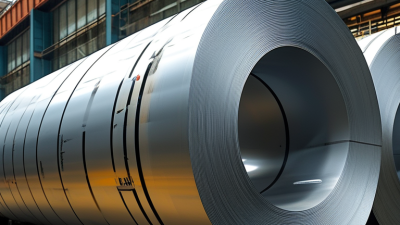
Hot rolled coil suits high-volume fabrication, slitting, and continuous processing. Its rough, scaled surface is normal after rolling. Buyers should confirm width, thickness, coil weight, and edge condition before ordering. Coil is efficient, but it may require leveling and extra surface treatment.
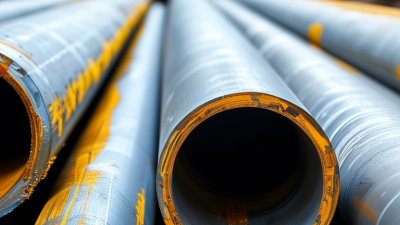
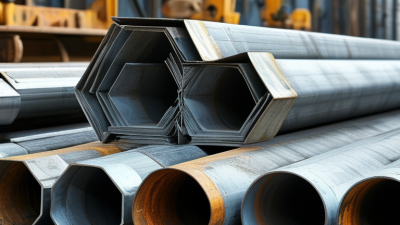
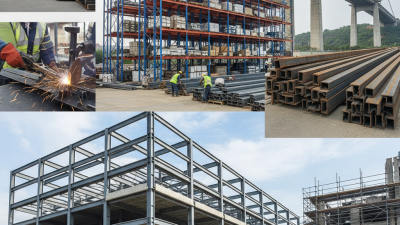
Hot rolled plate works well for bridges, pressure-resistant structures, heavy equipment, and base frames. It offers better control for thick applications, especially when flatness and impact performance matter. Hot rolled sheet is thinner and easier to cut, bend, or weld for general components. However, “sheet” and “plate” can vary by regional standard, so the specification must define thickness clearly. Sections, including beams, channels, and angles, provide structural strength with less fabrication. Their profiles save cutting time, though storage and transport can become awkward.
Tips: Match thickness to the real load, not a rough estimate. Request mill certificates, chemical composition, mechanical results, and dimensional tolerances. Check whether surface scale is acceptable. Ask for samples when appearance matters. A perfect choice on paper can still fail during forming. One overlooked detail is often the delivery length. Recheck it.
Selecting hot rolled steel starts with the project standard, not the lowest quoted price. ASTM A36 is widely specified for general structural plates, frames, and fabricated supports. EN 10025 includes grades such as S235JR and S275JR, with requirements for strength, impact performance, and delivery condition. JIS G3101 covers common structural steels, including SS400, while ISO 630 provides an international framework for structural steel grades.
The names may look similar. They are not automatically interchangeable. A buyer should compare yield strength, tensile strength, chemical limits, thickness ranges, and impact requirements. Check the latest standard edition. Small differences matter.
For example, a grade suitable for a workshop frame may be unsuitable for a cold-region structure. Project drawings and local regulations should control the final choice.
Reliable purchasing also requires traceability. Request a mill test certificate showing the heat number, dimensions, chemical analysis, and mechanical test results. Match that number with the plate marking and shipping documents. Surface scale is normal for hot rolled steel, but deep cracks, laminations, and severe edge damage need inspection. One practical mistake is trusting a grade comparison table too quickly. Testing methods, tolerances, and delivery conditions can change the result. Independent inspection is worth considering when safety, welding, or export acceptance is critical.
For global buyers, the best hot rolled steel type depends on application, certification, and delivery risk. Structural grades such as S235JR, S355JR, and ASTM A36 remain practical choices for general fabrication. Higher-strength S355 can reduce thickness, but it may require tighter welding controls. The World Steel Association reported 1,882.6 million tonnes of crude steel production in 2024. This scale creates many offers, but quality still varies between heats and mills.
Screen suppliers through a complete MTC, not a sales promise. An EN 10204 3.1 certificate should show heat number, chemical analysis, mechanical results, dimensions, and the manufacturer’s authorized validation. Match every value with the purchase order and inspection plan. Check MOQ against your actual project volume. A low price can become expensive when MOQ causes leftover coils or plates. Confirm whether the offer uses FOB, CFR, CIF, or FCA Incoterms, and identify who pays freight, insurance, port charges, and unloading costs. The ICC Incoterms 2020 framework clarifies these responsibilities, but it does not replace product inspection.
Tips: Ask for a sample MTC before ordering. Verify heat numbers on bundles. Request mill tolerances in writing. Compare delivered cost, not only the steel price. I have seen buyers focus on a cheaper FOB quote, then miss inland charges and inspection delays. Supplier screening is never perfect. That is the part worth reviewing.