Top Uses of Cold Rolled Steel in Modern Manufacturing?
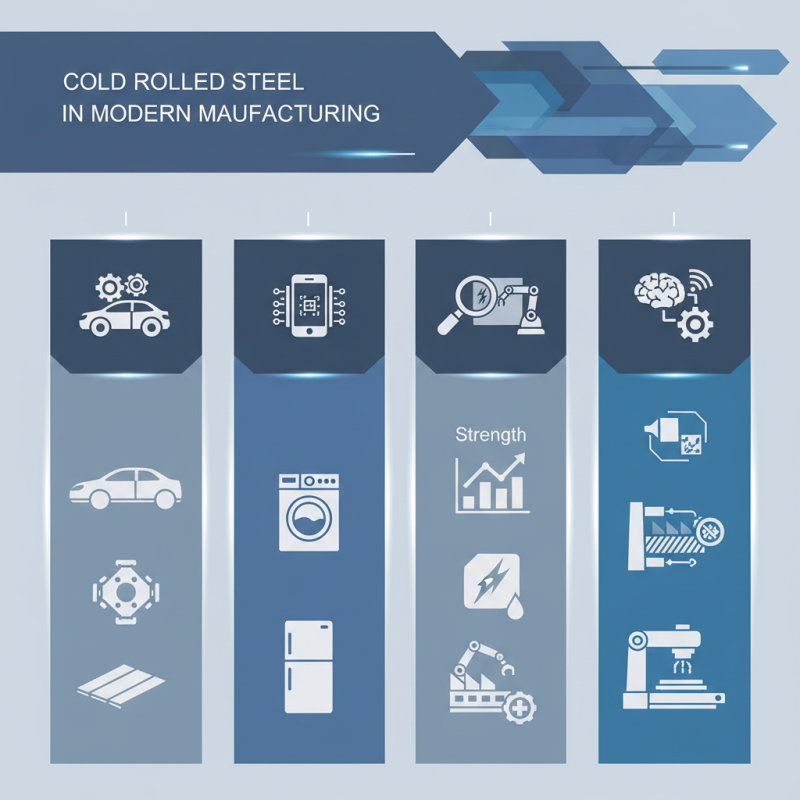
In the realm of modern manufacturing, the significance of Cold Rolled Steel cannot be overstated. This material is widely utilized in various applications, from automotive components to electronic appliances. Industry expert Dr. Emily Chang, a prominent figure in metallurgy, states, "Cold Rolled Steel provides unmatched precision and strength, essential for today's manufacturing needs."
This type of steel is highly favored due to its smooth finish and ability to withstand stress. Take, for example, the automotive sector. Cold Rolled Steel plays a critical role in ensuring vehicles are safe and durable. However, while it offers many advantages, the manufacturing process can sometimes produce material defects that need careful examination.
Moreover, as we embrace advanced technologies like AI in manufacturing, the potential for Cold Rolled Steel continues to expand. Manufacturers strive to enhance efficiency while addressing the flaws that may arise during production. This evolution calls for ongoing reflection on both the benefits and the challenges linked with Cold Rolled Steel.
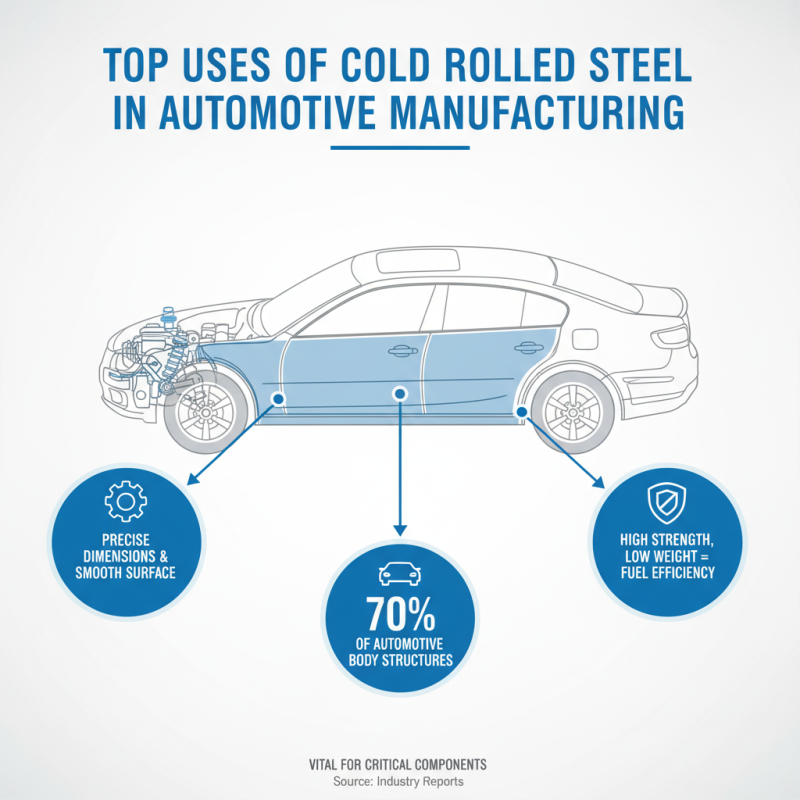
Top Uses of Cold Rolled Steel in Automotive Manufacturing
Cold rolled steel is a vital material in automotive manufacturing. Its precise dimensions and smooth surface make it ideal for critical components. According to industry reports, about 70% of automotive body structures use cold rolled steel. This material provides strength while keeping the weight low, which is crucial for fuel efficiency.
Assemblies like doors, hoods, and chassis often utilize cold rolled steel. The material's ability to undergo further processing allows for intricate designs. However, reliance on cold rolled steel can pose challenges. Manufacturers must ensure consistent supply and quality. Any variance can lead to structural weaknesses, making it essential to maintain high industry standards.
In recent years, reports indicate a slight decline in the market share of cold rolled steel in some regions. This trend raises questions. Are manufacturers evolving too slowly in adopting alternative materials? The need for innovation in the automotive sector is pressing. Balancing cost, weight, and strength will require ongoing assessment and adjustment.
Impact of Cold Rolled Steel on Construction Material Efficiency
Cold rolled steel has transformed the construction sector significantly. Its strength and precise dimensions improve material efficiency. According to a recent industry report, cold rolled steel can provide up to 20% better material utilization compared to hot rolled alternatives. This statistic highlights its importance in modern manufacturing and construction.
The impact extends to sustainability as well. Structures made from cold rolled steel require less material overall, leading to lower carbon footprints. Various studies indicate that using cold rolled steel reduces waste during production by approximately 15%. However, the perception of cold rolled steel being less durable than hot rolled options needs reevaluation.
Moreover, the long-term performance of cold rolled steel in various environments must be scrutinized. While it can be more tampered with in terms of shaping, it often faces challenges like corrosion over time. This inconsistency in long-term durability raises important questions for builders and manufacturers alike. Addressing these issues is essential for enhancing the overall reliability of cold rolled steel in future projects.
The Role of Cold Rolled Steel in Appliance Production and Design
Cold rolled steel plays a significant role in appliance production and design. Its smooth finish and precise dimensions make it ideal for various household items. From refrigerators to washing machines, this steel provides structural integrity. Manufacturers often choose cold rolled steel for its uniform thickness and strength. It enhances the overall appearance of appliances as well.
When designing appliances, aesthetics matter as much as functionality. Cold rolled steel offers versatility in design. It can be easily shaped into different forms, catering to innovative and modern styles. However, achieving the perfect finish is not always straightforward. Sometimes, manufacturers face challenges in maintaining consistency. The balance between form and function can lead to tough decisions.
Durability is another critical aspect. Cold rolled steel stands up to wear and tear but can rust if not treated properly. Manufacturers must consider this in their designs. A lack of proper coating can lead to appliance failure. Reflecting on these issues can lead to better practices in future productions, while still leveraging the unique benefits of cold rolled steel.
Cold Rolled Steel's Contribution to the Electronics Industry
Cold rolled steel plays a vital role in the electronics industry. Its precision and strength make it ideal for various applications. Many electronic devices require sturdy casings. Cold rolled steel provides durability while maintaining a lightweight design. These features are crucial for portable gadgets, from smartphones to laptops.
Manufacturers often turn to cold rolled steel for components like brackets and frames. Its smooth finish allows for better aesthetic appeal and easier integration into devices. However, the production process can sometimes lead to imperfections. Small defects may occur during rolling, affecting the final product’s quality. Industry experts recognize that even minor flaws can compromise functionality.
Another consideration is the steel's conductivity. While cold rolled steel is not the best conductor, it serves well for shielding. This is essential to protect sensitive electronics from electromagnetic interference. Balancing cost and performance poses a challenge for manufacturers. They must ensure that they use materials that align with their quality standards. Such dilemmas highlight the complexity of production in the electronics sector.
Innovative Applications of Cold Rolled Steel in Agricultural Equipment
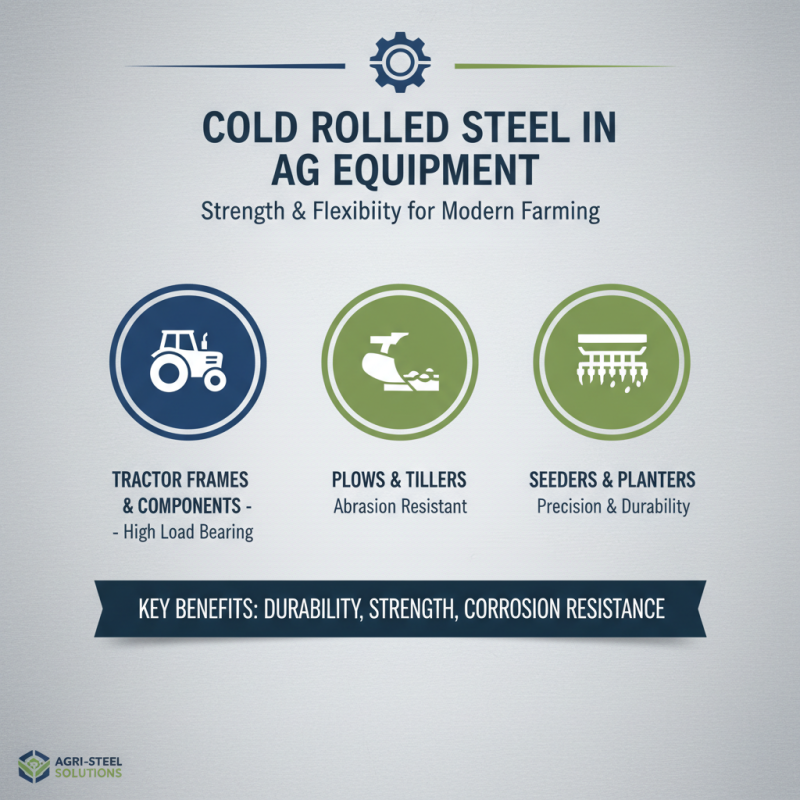
Cold rolled steel plays a vital role in modern agricultural equipment. Its strength and flexibility make it ideal for various machinery. Tractors, plows, and seeders often incorporate this material. These machines require components that withstand heavy loads and harsh conditions. The durability of cold rolled steel is a refreshing asset in such scenarios.
However, not all designs utilize this material effectively. Some machinery may still rely on outdated components. This oversight can lead to increased maintenance costs. Moreover, the potential for innovation is often stifled by traditional methods. Engineers must explore new designs that leverage cold rolled steel’s unique properties.
Incorporating cold rolled steel into more components can enhance performance. For example, cutting-edge planting machinery can benefit from lighter, stronger parts. Yet, the approach requires careful planning. Balancing cost, weight, and durability will be crucial. Manufacturers also need to be mindful of potential supply chain issues in sourcing this material. Continuous evaluation will ensure that agricultural equipment evolves alongside technological advances.

 Angle Steel
 Channel Steel
 Universal Beam (l-Beam)
 H-Beam Steel
 Galvalume Steel Coil
 Galvalume Steel Sheet
 Galvanized Steel Sheet
 Color Coated Plate
 Stainless Steel Bar
 Stainless Steel Pipe
 Steel Bar
 Wire Rope
 Carbon Steel Pipe
 Carbon Steel Plate
 Aluminum Plate
 Aluminum Coil
 Aluminum Pipe
 Aluminum Bar
 Magnesium Ingot
 Fasteners