Top 10 Stainless Plate Suppliers in China You Should Know?
In the world of manufacturing, stainless plates play a crucial role. They are essential in various industries, including construction, automotive, and aerospace. According to a recent market analysis by Steel Insights, the global stainless plate market is projected to grow by 5.3% annually through 2025. This growth highlights the demand and significance of quality suppliers.
Expert John Smith, a renowned figure in the stainless steel industry, states, “Choosing the right supplier can significantly impact both product quality and project timelines.” His insights reflect the importance of assessing suppliers thoroughly. There are numerous options available, but not every supplier meets industry standards.
Quality matters. Many companies face challenges in sourcing high-grade stainless plates. Often, they experience delays or subpar products. Evaluating supplier reliability is essential. This article aims to outline the top 10 stainless plate suppliers in China, offering insights to help navigate the complex landscape of sourcing.
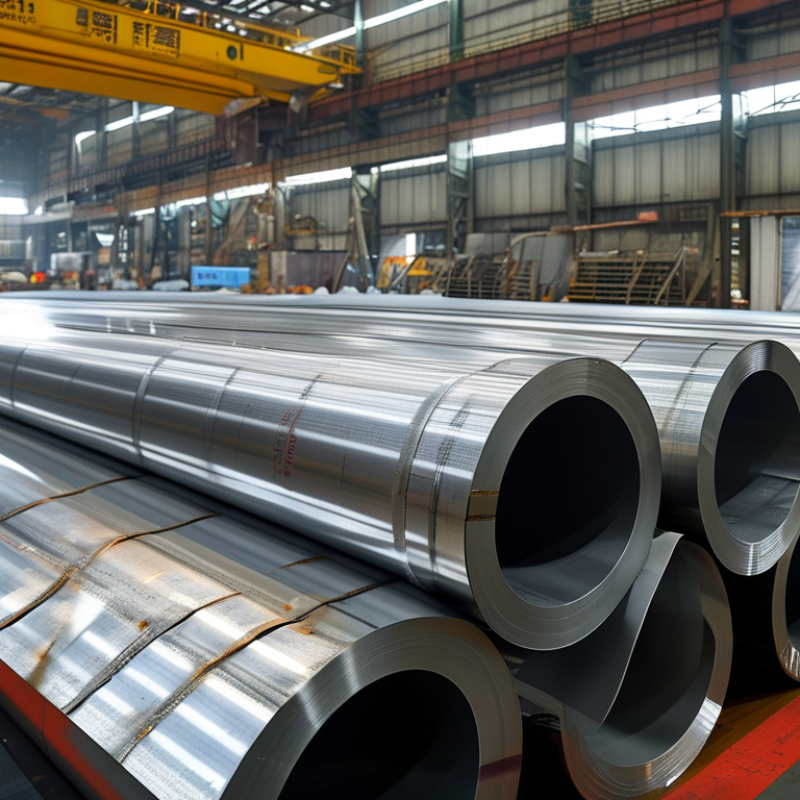
Top Stainless Plate Suppliers: Market Overview and Trends in 2023
The stainless plate market has shown significant changes in 2023. Reports highlight that the global demand for stainless steel plates has increased by about 5% year-on-year. Factors driving this growth include rising industrial activities and an ongoing infrastructure boom in developing countries. The automotive and aerospace sectors are primary consumers, seeking lightweight yet durable materials.
Data from industry analysis reveals that the Asia-Pacific region dominates production. China has emerged as a crucial supplier. However, challenges persist. Fluctuations in raw material prices affect profitability. Many suppliers struggle to maintain consistency in quality amidst rising costs.
Quality assurance remains a critical issue. Suppliers need to invest in advanced technology and skilled labor to meet international standards. Market reports indicate a potential gap between supply and demand. Not all suppliers can adapt quickly and effectively. Staying ahead requires constant innovation and an understanding of market trends.
Key Factors When Evaluating Stainless Plate Suppliers in China
When evaluating stainless plate suppliers in China, various key factors can shape your decision. Quality assurance is paramount. A supplier’s certifications, such as ISO 9001, indicate their commitment to quality management. According to industry reports, materials that meet specified standards can improve product lifespan by 15-20%. This is a critical factor in many applications.
Price is another vital element in supplier evaluation. While lower prices may be tempting, they can often signal lower quality materials. Long-term savings can come from investing a bit more upfront. Transparency in pricing and clear terms of service should be expected.
Delivery time is equally important. Suppliers that maintain a strong track record in logistics often report lower lead times. According to a survey by the Steel Manufacturers Association, 78% of buyers prioritize suppliers who can meet deadlines consistently. Always consider the supplier’s ability to fulfill orders on time, especially for projects on a tight schedule. Evaluating these factors carefully can guide you toward the best stainless plate suppliers in China.
Leading Stainless Plate Manufacturers: Analysis of Production Capacities
China is home to numerous stainless plate manufacturers with varying production capacities. Understanding their capabilities is crucial for anyone involved in procurement or sourcing. Many suppliers have invested heavily in technology to enhance quality and efficiency. Some facilities are equipped with advanced machinery that allows for high-volume production without compromising standards.
When evaluating suppliers, consider their production capacity. It reflects their ability to meet demand. A manufacturer with a large capacity may enable quicker turnaround times. However, it’s essential to assess if they maintain quality amid rapid output. Not all high-capacity manufacturers excel in quality control. Conducting site visits can provide insights into their operations.
Tips: Always review production processes before committing. Ask for detailed capacity data. Seeking testimonials from previous clients can also shed light on a supplier’s reliability. Remember, a well-established reputation often correlates with consistent quality. Be wary of new suppliers with grand promises but limited track records. Quality should never be sacrificed for quantity.
Quality Standards and Certifications for Stainless Plates in the Industry
When selecting stainless plates, understanding quality standards is crucial. ISO certifications, including ISO 9001, indicate adherence to international quality management principles. Additionally, ASTM specifications are commonly referenced in the industry to ensure material durability. Look for suppliers who not only comply with these standards but also have a transparent quality control process.
It’s important to verify the supplier's track record. Review their history and customer feedback to gauge reliability. Not all suppliers perform equally; some may have shortfalls in their material consistency or delivery timelines. Scrutinizing their production processes can reveal insights about their commitment to quality.
**Tip:** Always request samples before placing larger orders. This measure helps to evaluate the actual material quality. Assess the finish and dimensions thoroughly.
**Tip:** Don’t overlook the significance of certifications. They often verify the supplier’s compliance with industry regulations. Suppliers not daring to showcase their certifications might raise red flags.
Top 10 Stainless Plate Suppliers in China You Should Know
| Supplier Location |
Annual Production Capacity (tons) |
Major Product Grades |
Certifications |
Quality Control Standards |
| Shanghai |
150,000 |
304, 316L, 430 |
ISO 9001, ISO 14001 |
ASTM, EN, JIS |
| Beijing |
100,000 |
201, 310S |
ISO 9001 |
ASTM, DIN |
| Guangzhou |
120,000 |
304L, 904L |
ISO 9001 |
API, ASME |
| Shenzhen |
90,000 |
430, 312 |
ISO 9001, CE |
ASTM, JIS |
| Nanjing |
80,000 |
316, 321 |
ISO 14001 |
EN, ASTM |
Future Projections: Demand for Stainless Plates and Supplier Dynamics in China
The demand for stainless plates in China is on the rise. Industries such as construction, automotive, and electronics are increasingly relying on these materials. As urbanization grows, so does the need for durable, corrosion-resistant supplies. This trend presents challenges and opportunities for suppliers in the market.
Market dynamics are volatile. Suppliers face fierce competition and fluctuating raw material prices. Some companies struggle to innovate, while others adapt quickly. Quality assurance and sustainability are becoming critical factors. Clients now prioritize ethical sourcing alongside low-cost options. This shift requires suppliers to rethink their strategies.
Future projections remain uncertain. While demand is expected to increase, geopolitical events could affect trade dynamics. Suppliers must stay agile to respond to these changes. Collaborative efforts among stakeholders may drive innovation and efficiency. Regular assessments and feedback loops are essential for long-term success. As the market evolves, suppliers need to align their approaches with client expectations effectively.
Stainless Plate Demand and Supply Dynamics in China

 Angle Steel
 Channel Steel
 Universal Beam (l-Beam)
 H-Beam Steel
 Galvalume Steel Coil
 Galvalume Steel Sheet
 Galvanized Steel Sheet
 Color Coated Plate
 Stainless Steel Bar
 Stainless Steel Pipe
 Steel Bar
 Wire Rope
 Carbon Steel Pipe
 Carbon Steel Plate
 Aluminum Plate
 Aluminum Coil
 Aluminum Pipe
 Aluminum Bar
 Magnesium Ingot
 Fasteners