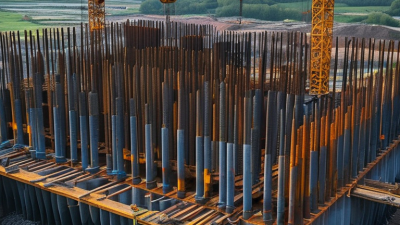
Top 10 Benefits of Hot Rolled Steel for Buyers Today?
In today’s competitive market, understanding the advantages of Hot Rolled Steel is crucial for buyers. This material stands out for its versatility and strength. Hot Rolled Steel is widely used in construction and manufacturing industries. It provides excellent flexibility and can be easily shaped to meet specific needs.
Buyers appreciate its cost-effectiveness. The production process is efficient, leading to lower prices. However, that doesn't mean all Hot Rolled Steel is the same. Quality can vary significantly between suppliers. It's essential to choose reliable vendors with experience and expertise in the industry.
Furthermore, while the mechanical properties of Hot Rolled Steel are impressive, some applications may require further treatment or finishing. This could increase costs and time. Evaluating each project’s requirements ensures the right decisions are made. Ultimately, understanding these qualities helps buyers make informed choices in their procurement strategies.
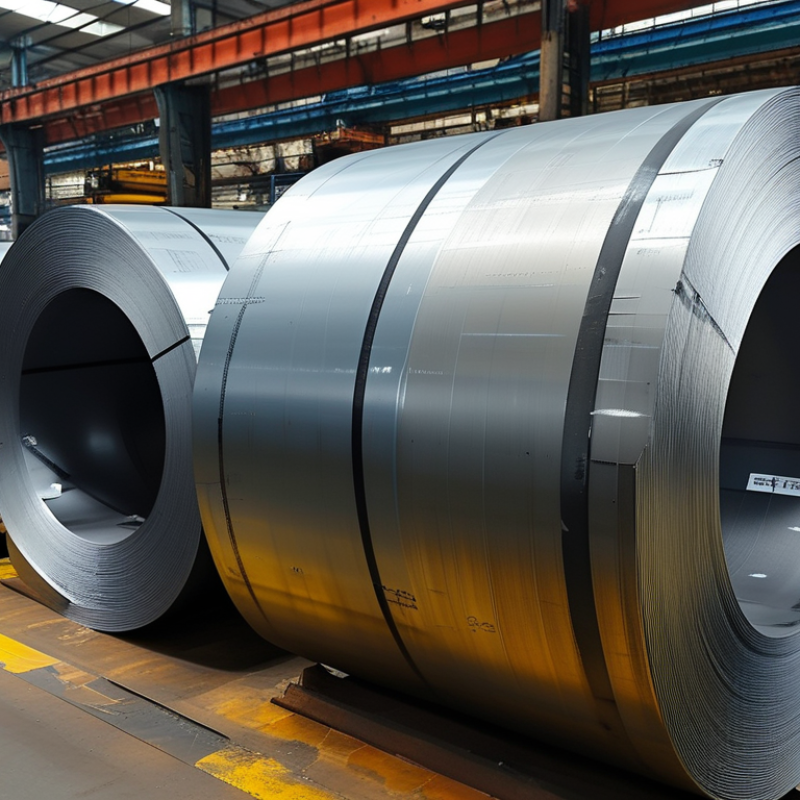
Understanding Hot Rolled Steel and Its Manufacturing Process
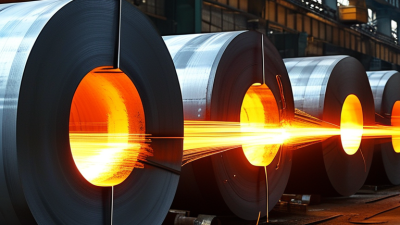
Hot rolled steel is produced through a specific manufacturing process that involves heating the steel above its recrystallization temperature. This allows the steel to be easily shaped and formed. The process begins with raw materials, such as iron ore, being heated in a furnace. After reaching the necessary temperature, the molten steel is processed through rolling mills. As it is rolled into sheets or bars, it gains strength and flexibility, making it suitable for various applications.
One of the most appealing aspects of hot rolled steel is its cost-effectiveness. Manufacturers can produce large quantities in a short period. This method results in a lower price point compared to other steel types. However, buyers should be mindful of potential surface imperfections. These imperfections can arise from the cooling process. While they do not affect functionality, buyers must consider the aesthetics of their projects.
Understanding the manufacturing process is crucial for making informed decisions. Hot rolled steel typically exhibits a rough surface finish. Yet, this gives it a unique character that many find appealing. Buyers should evaluate their specific needs to determine if hot rolled steel aligns with their expectations and goals. This evaluation may require some trial and error, but it can ultimately lead to more satisfactory outcomes.
Cost Efficiency: Why Hot Rolled Steel is Economical for Buyers
Hot rolled steel has become a go-to choice for buyers looking for cost efficiency. The manufacturing process involves rolling steel at high temperatures, which significantly reduces production costs. A recent industry report indicates that the average cost of hot rolled steel is 20% lower than its cold rolled counterpart. This cost advantage makes it particularly appealing for projects with tight budgets.
Additionally, hot rolled steel's unique properties enhance its economical appeal. Due to its excellent ductility, it requires less processing for many structural applications. According to a study by the American Institute of Steel Construction, its strength-to-weight ratio allows for lighter designs without sacrificing structural integrity. This translates to lower shipping and handling costs, which further benefits the project budget.
However, buyers must consider the trade-offs. The surface finish of hot rolled steel may not be as smooth as cold rolled options. Some projects may require additional finishing processes. Despite this, the cost benefits often outweigh these drawbacks for many applications. Understanding these factors can guide buyers in making informed decisions.
Top 10 Benefits of Hot Rolled Steel for Buyers Today
Enhanced Structural Integrity: Benefits of Hot Rolled Steel Applications
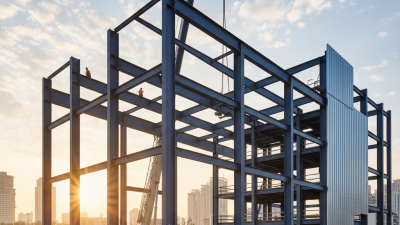
Hot rolled steel is an essential material in construction and manufacturing. Its enhanced structural integrity makes it a preferred choice for many projects. According to a World Steel Association report, hot rolled steel has a unique combination of strength and ductility. This means it can withstand heavy loads without cracking. Many structural engineers trust hot rolled steel for building frameworks due to its reliability.
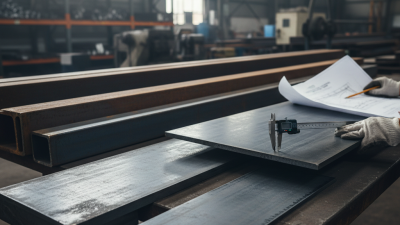
One of the key benefits is its uniform thickness. This characteristic allows for better load distribution in structural applications. Additionally, hot rolled steel is often easier to fabricate, saving time during construction. However, buyers should also consider potential corrosion issues. Protective coatings are often recommended to mitigate this risk.
Tip: Always request material certifications from suppliers to ensure the steel meets the required specifications.
Another advantage is its cost-effectiveness. Hot rolled steel typically requires lower initial investment compared to other types. However, its performance under stress can vary depending on the manufacturing process. Thus, careful inspection during procurement is vital. Buyers should weigh initial costs against long-term performance.
Tip: Consult with structural engineers to assess the best steel type for your specific application.
Versatility in Design: How Hot Rolled Steel Adapt to Various Projects
Hot rolled steel is becoming a go-to choice for many projects today. Its versatility is one of its key strengths. This material can be shaped into various forms, making it ideal for diverse applications. From construction to machinery parts, the adaptability of hot rolled steel allows it to fit different design needs. Whether you are working on a residential or commercial project, its robust nature offers practical benefits.
Tips for buyers: when considering hot rolled steel, think about your specific project requirements. Its unique characteristics include ease of machining and welding. This fosters efficient construction processes. However, do note that it may exhibit a more textured finish. Sometimes this can complicate appearances. Reflect on how these factors affect your design.
Understanding the different grades of hot rolled steel is also crucial. Each grade presents varied properties and strengths. This makes it essential to choose the right type for your application. While hot rolled steel is strong and durable, its quality can vary. Be prepared to evaluate suppliers. Ensure they provide reliable materials that meet your standards.
Availability and Supply Chain Considerations for Hot Rolled Steel
Hot rolled steel possesses distinct advantages in today's market. One significant aspect is availability. The demand for hot rolled steel remains high, driven by sectors such as construction and automotive. According to the World Steel Association, global steel production exceeded 1.9 billion tonnes in 2022. This steady output supports a robust supply chain for hot rolled steel.
However, the supply chain also faces challenges. Raw material prices fluctuate, impacting production costs. A recent survey indicated that 60% of steel producers experienced disruptions due to logistics issues. This can lead to longer lead times than anticipated. Buyers must stay informed about these potential delays.
Moreover, geographical factors play a role. Suppliers may be concentrated in specific regions, affecting accessibility. Buyers located far from production hubs might encounter additional shipping costs. On the other hand, strategic partnerships can help mitigate these risks. Engaging with local suppliers can enhance reliability, ensuring consistent supply. Understanding these dynamics is crucial for making informed purchasing decisions.
Top 10 Benefits of Hot Rolled Steel for Buyers Today
| Benefit |
Description |
Supply Chain Consideration |
| Cost Efficiency |
Hot rolled steel is generally cheaper due to less processing. |
Readily available in bulk, reducing procurement costs. |
| Versatility |
Suitable for a wide range of applications. |
Easily sourced for various projects. |
| Strength |
High yield strength makes it ideal for construction. |
Consistently available from many suppliers. |
| Formability |
Easy to shape and manipulate for various uses. |
Wide supply simplifies custom fabrication. |
| Durability |
Resists deformation under stress. |
Stable sourcing for long-term projects. |
| Surface Finish |
Fiery surface is beneficial for some applications. |
Standardized finishes available on demand. |
| Weight |
Lightweight compared to other steel forms. |
Efficient shipping and handling. |
| Production Speed |
Faster production times due to simplified processes. |
Quick turnaround from suppliers. |
| Sustainability |
Recyclable with a reduced carbon footprint. |
Easily obtained from recycled sources. |
| Aesthetic Appeal |
Natural luster and finish add visual value. |
Available from local retailers. |

 Angle Steel
 Channel Steel
 Universal Beam (l-Beam)
 H-Beam Steel
 Galvalume Steel Coil
 Galvalume Steel Sheet
 Galvanized Steel Sheet
 Color Coated Plate
 Stainless Steel Bar
 Stainless Steel Pipe
 Steel Bar
 Wire Rope
 Carbon Steel Pipe
 Carbon Steel Plate
 Aluminum Plate
 Aluminum Coil
 Aluminum Pipe
 Aluminum Bar
 Magnesium Ingot
 Fasteners