How to Choose Stainless Steel Round Pipes for Your Project?
When selecting materials for construction, the type of pipes can make a significant difference. According to industry expert John Anderson, "Choosing the right Stainless Steel Round Pipes is vital for durability and performance." His words emphasize the importance of careful selection.
Stainless Steel Round Pipes offer strength and resistance to corrosion. They are often used in various applications, from plumbing to architecture. However, the wide range of options can be overwhelming. It's essential to consider factors such as pipe diameter, wall thickness, and finish. Each choice impacts the project's overall success.
While many assume that more expensive pipes guarantee quality, this isn't always true. Budget constraints can lead to compromises, but it's crucial to prioritize essential features. Evaluate your project's specific needs carefully. The right decision now can save time and money later on. Selecting the perfect Stainless Steel Round Pipes requires both knowledge and careful thought.
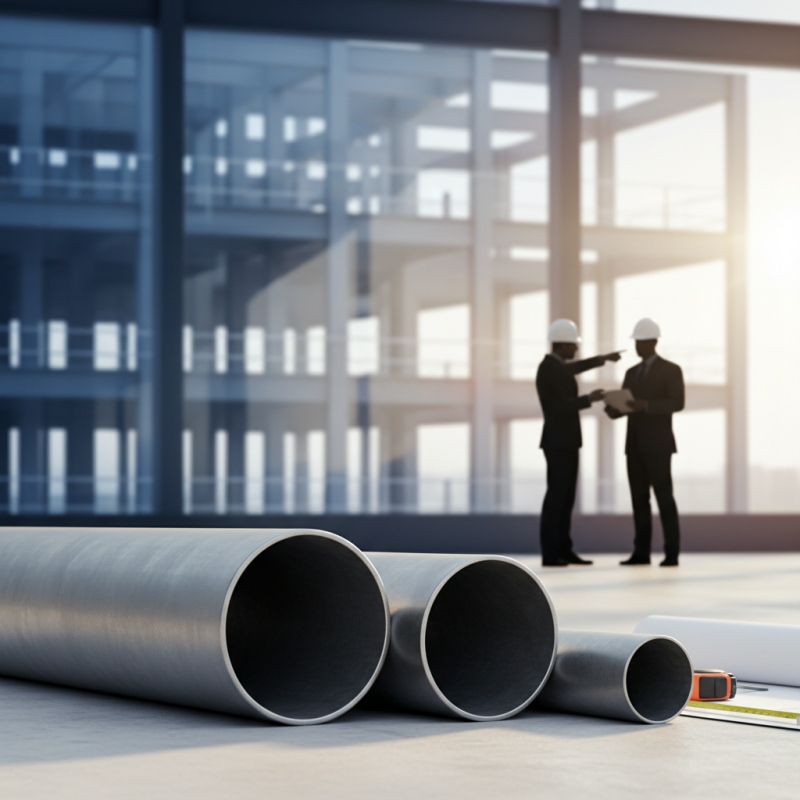
Understanding the Properties of Stainless Steel Round Pipes
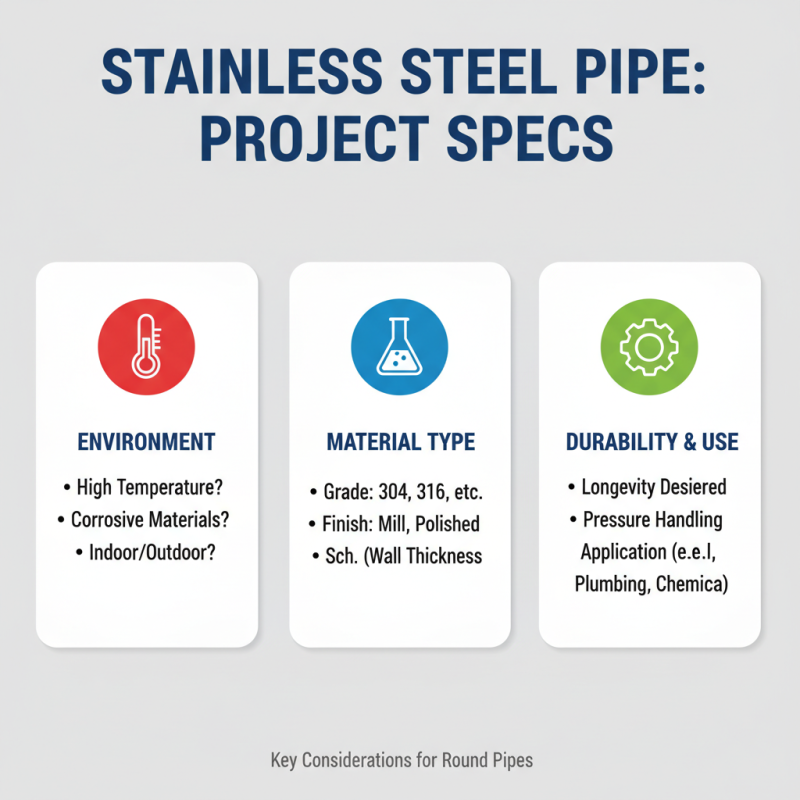
Stainless steel round pipes are renowned for their strength and durability. Their resistance to corrosion makes them ideal for various applications. According to industry reports, stainless steel maintains its integrity in temperatures ranging from -200°C to 900°C. This wide temperature range allows their use in extreme conditions, making them versatile.
The mechanical properties of stainless steel are impressive. It boasts a tensile strength of up to 520 MPa, making it a reliable choice for construction and manufacturing. When selecting pipes, consider their grades. For example, 304 stainless steel is the most commonly used, offering good weldability and oxidation resistance. However, it may not perform well in all environments.
Another factor is the surface finish. A polished finish can provide better aesthetics and resistance to fouling. Yet, some applications may require a rough surface for better adhesion in assemblies. So, it's crucial to balance aesthetics and functionality. Given these diverse properties, the selection process can be complex, necessitating careful evaluation of project needs.
How to Choose Stainless Steel Round Pipes for Your Project?
| Pipe Diameter (inches) |
Wall Thickness (inches) |
Material Grade |
Finish |
Application |
| 1.00 |
0.065 |
304 |
Polished |
Food Processing |
| 1.50 |
0.065 |
316 |
Brushed |
Marine Applications |
| 2.00 |
0.120 |
304 |
Mirror |
Architectural |
| 3.00 |
0.120 |
316L |
Bead Blasted |
Chemical Processing |
| 4.00 |
0.250 |
321 |
Pickled |
High-Temperature Services |
Selecting the Appropriate Stainless Steel Grade
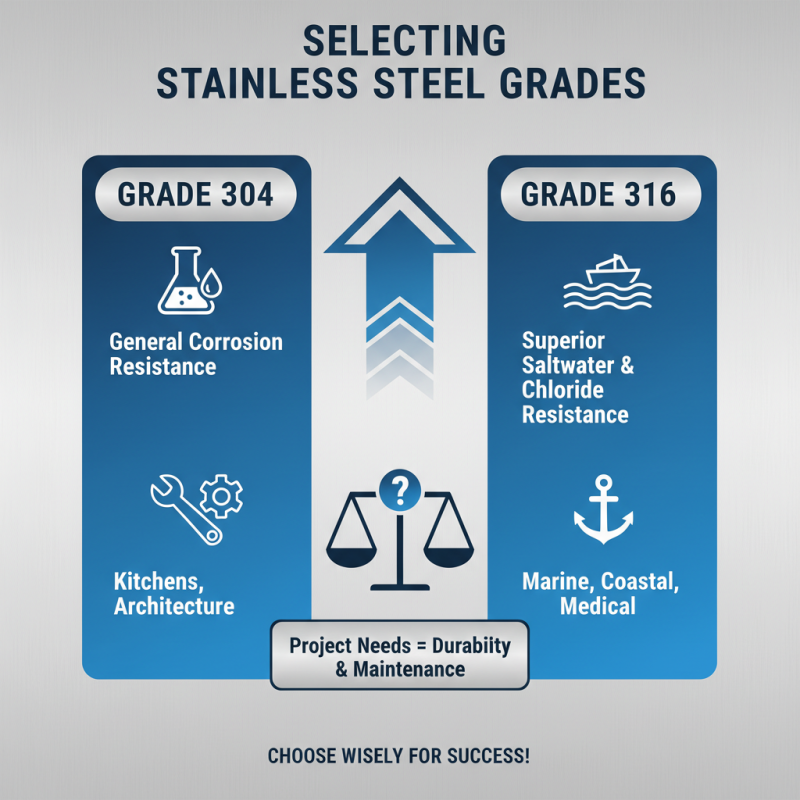
Choosing the right stainless steel grade is crucial for your project's success. Various types of stainless steel exist, each with unique properties. The most common grades include 304 and 316. While 304 offers good corrosion resistance, 316 is better suited for marine environments. This difference can affect durability and maintenance needs.
Consider your project's specific requirements when selecting a grade. For example, if the pipes will be exposed to chlorides, 316 is the better choice. However, it might come with a higher cost. You need to weigh the benefits against the budget. Think about the long-term implications of your choice. Will you face more maintenance costs with a lower grade?
Some stainless steel types are prone to rust when not properly maintained. It's a risk often overlooked. Reflect on how your choice aligns with expected usage. Are you prioritizing aesthetics, strength, or corrosion resistance? Each factor plays a role in the final decision. You'll need to think critically about how different environments impact performance.
Determining the Correct Pipe Size and Diameter
Choosing the right size and diameter for stainless steel round pipes is crucial for any project. The pipe's diameter affects the flow rate and system pressure. If the diameter is too small, you risk increasing pressure and reducing efficiency. However, going too large can lead to unnecessary costs and complexity.
When determining the correct size, measure the required flow rates of the application. Use online calculators or guidelines that provide a solid starting point. Engineers often overlook this step, leading to mismatched sizes. Assessing your project’s specific needs is vital. Consider environmental factors too; extreme temperatures can impact pipe performance.
Additionally, don't forget about the material thickness. A thicker wall may offer better durability but could alter the weight and balance. Both factors can strain installations. Often, the perfect diameter is not clear. Engaging with professionals or utilizing design software may help clarify choices. A simple miscalculation can lead to performance issues down the line. Always review your specs before making a final decision.
Stainless Steel Round Pipes: Size and Diameter Selection
Evaluating Cost and Supplier Options for Your Project
When considering stainless steel round pipes for your project, evaluating cost and supplier options is crucial. Start by estimating your budget. Understand the market prices for stainless steel pipes. Costs can vary significantly based on supplier, grade, and size. Obtain quotes from multiple suppliers. This allows for better comparison.
Next, consider the reputation of potential suppliers. Look for reviews and ratings online. A strong reputation often indicates reliability and quality. However, small suppliers might provide competitive pricing. They may lack extensive reviews, leading to uncertainty. Don't overlook local suppliers; they might offer personalized service and faster delivery times.
Be aware of hidden costs. Shipping, taxes, and import duties can add up. Ensure clarity in quotes by asking suppliers about additional fees. It's easy to accept the lowest bid, but the cheapest option might not always deliver quality. Sometimes, spending slightly more can save you from future issues. Quality pipes can dramatically affect project longevity. Always weigh immediate costs against long-term benefits carefully.

 Angle Steel
 Channel Steel
 Universal Beam (l-Beam)
 H-Beam Steel
 Galvalume Steel Coil
 Galvalume Steel Sheet
 Galvanized Steel Sheet
 Color Coated Plate
 Stainless Steel Bar
 Stainless Steel Pipe
 Steel Bar
 Wire Rope
 Carbon Steel Pipe
 Carbon Steel Plate
 Aluminum Plate
 Aluminum Coil
 Aluminum Pipe
 Aluminum Bar
 Magnesium Ingot
 Fasteners