2026 How to Choose the Right Stainless Steel Angle for Your Projects?
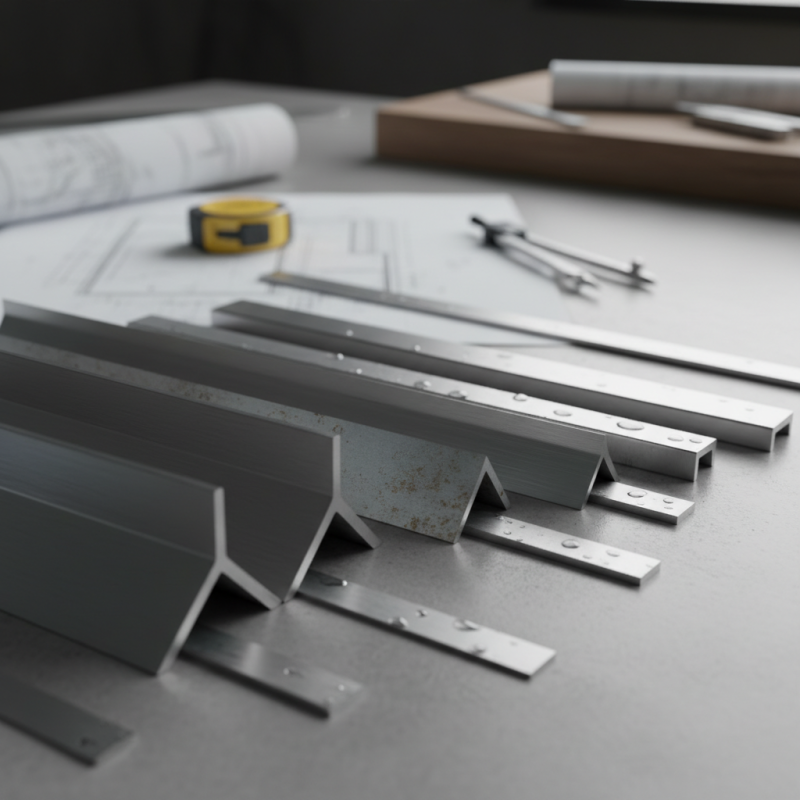
Choosing the right stainless steel angle for your projects can be daunting. Consider the specific requirements of your application. Stainless steel angles come in various sizes, grades, and finishes. Each choice impacts performance, aesthetics, and cost.
Different projects require different types of stainless steel angles. For example, construction beams need robust angles, while decorative pieces may demand lighter options. Understanding your project's nature is essential. It can prevent costly mistakes or wasted materials.
Additionally, think about the environment the stainless steel angle will face. Corrosion resistance is vital for outdoor use. Many overlook this detail. The right stainless steel angle can affect durability. Selecting wisely can enhance your project's success and longevity.
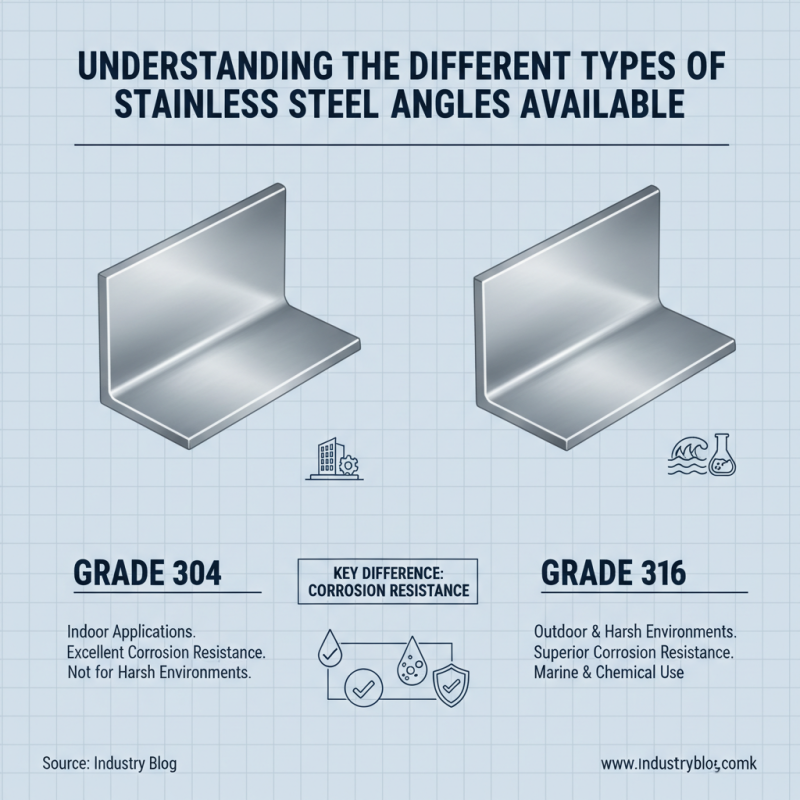
Understanding the Different Types of Stainless Steel Angles Available
When selecting the right stainless steel angle for your projects, it’s essential to understand the different types available. Stainless steel angles come in several grades, primarily 304 and 316. Grade 304 offers excellent corrosion resistance for indoor applications. However, it may not perform well in highly corrosive environments.
On the other hand, grade 316 is better suited for marine or chemical applications. It contains molybdenum, which enhances its resistance to salt and acids. A report from the International Stainless Steel Forum indicates that around 35% of stainless steel used in construction is grade 316 due to its durability.
Additionally, stainless steel angles vary in size and thickness. Standard sizes range from 1 inch to 6 inches in leg height. Choosing the right size is key. A too-thin angle may lead to structural weaknesses, while an oversized angle can add unnecessary weight. Enthusiasts often overlook these details, leading to potential project failures. Always evaluate the environment and load requirements carefully before making a selection.
Identifying the Key Properties of Stainless Steel for Project Suitability
When selecting stainless steel angles for construction projects, understanding the key properties of the material is essential. Stainless steel is noted for its corrosion resistance, especially with grades like 304 and 316. According to recent industry reports, 304 stainless steel accounts for around 50% of the stainless steel market due to its balance of cost and performance. This makes it popular for various structural applications.
Another critical property to consider is yield strength. For instance, the yield strength of 304 stainless steel is about 215 MPa. However, some projects may require higher strength materials, which can push you towards grades like 316 or even higher-strength alloys. It’s worth noting that not all stainless steels are created equal; some may not provide the durability needed for demanding environments.
Additionally, machinability can vary significantly among stainless steel grades. Not all grades are easy to work with, leading to possible project delays and higher costs. Industry estimates suggest that poor machinability can add up to 25% to project timelines. Reflecting on the specific requirements of your project can help you avoid hassles and rework down the line. The right choice matters.
Evaluating Size and Dimension Requirements for Your Specific Project
When it comes to choosing the right stainless steel angle for your project, size and dimensions are crucial. Start by measuring the specific areas where you plan to use the angles. Consider the height, width, and thickness needed for your application. An angle that is too large can be cumbersome, while one that is too small may lack the necessary strength.
Think about how the angles will interact with other components. Will they bear weight or provide structural support? Evaluate the load requirements carefully. Take some time to draw your design and visualize the angles in place. This can help you avoid costly mistakes. It’s worth noting that some projects face unexpected challenges due to miscalculations.
Remember to consult with experienced professionals or online resources if you’re unsure. It’s okay to ask for help. Sometimes, it’s the small details that can make a big difference in the outcome of a project. Don't overlook the importance of accurate measurements, as they can validate your choice of stainless steel angle, making your project not only functional but also successful.
Considering Corrosion Resistance and Environmental Factors in Selection
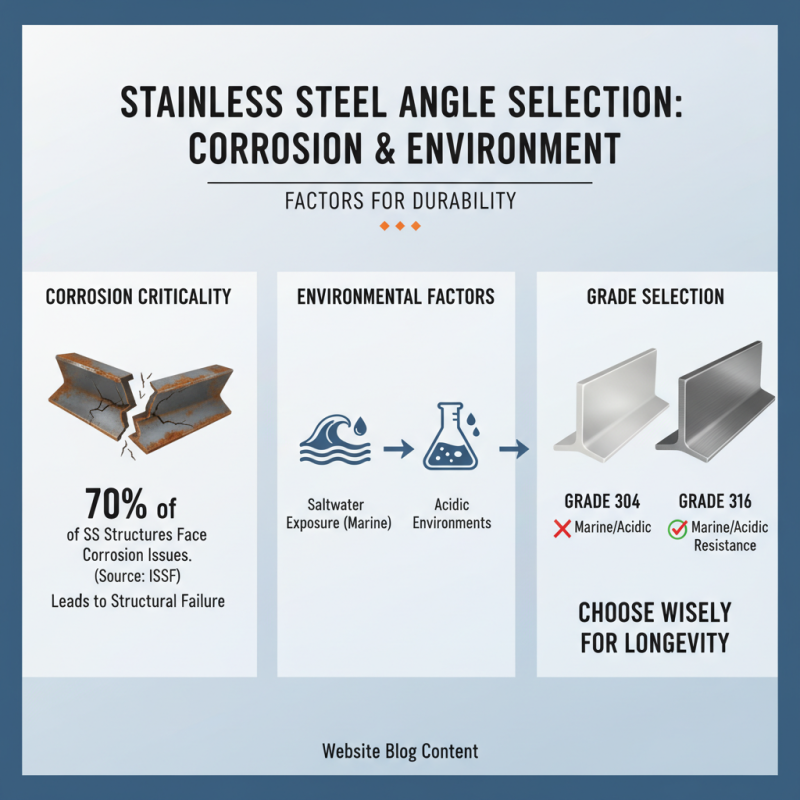
When choosing stainless steel angles, corrosion resistance is critical. Corrosion can lead to structural failures. According to the International Stainless Steel Forum, about 70% of stainless steel structures face corrosion-related issues. Factors like exposure to saltwater or acidic environments can exacerbate this problem. Selecting the right grade is essential. For example, grade 316 offers better resistance in marine environments compared to grade 304.
Environmental factors also impact the durability of stainless steel angles. Humidity, temperature fluctuations, and local contaminants play significant roles. A study by the American Society of Civil Engineers revealed that around 30% of stainless steel users underestimate these elements. Over time, neglecting these factors can result in costly repairs. It's not just about the right angle but also the environment in which it functions. Careful consideration is key. Adjusting for these conditions leads to better long-term performance.
Budgeting and Cost Analysis for Stainless Steel Angle Purchase and Use
When considering the purchase of stainless steel angles, budgeting is crucial. The cost can vary widely based on size, thickness, and finish. A small project may require just a few pieces, while larger constructions need bulk purchases. It’s essential to evaluate your specific needs carefully. Ignoring this can lead to overspending.
Maintenance costs also play a role. Stainless steel is known for its d urability. However, factors such as corrosion can affect longevity. Ensuring proper care might save money in the long run. Be mindful of environmental factors, especially in coastal areas. These can impact your project's budget.
Estimating the total cost must include shipping and handling fees. Often these are overlooked. Comparing quotes from multiple suppliers can be beneficial, yet it’s easy to get overwhelmed. Factor in possible price fluctuations, as metal prices can change frequently. Keeping a flexible budget can help navigate unexpected expenses.

 Angle Steel
 Channel Steel
 Universal Beam (l-Beam)
 H-Beam Steel
 Galvalume Steel Coil
 Galvalume Steel Sheet
 Galvanized Steel Sheet
 Color Coated Plate
 Stainless Steel Bar
 Stainless Steel Pipe
 Steel Bar
 Wire Rope
 Carbon Steel Pipe
 Carbon Steel Plate
 Aluminum Plate
 Aluminum Coil
 Aluminum Pipe
 Aluminum Bar
 Magnesium Ingot
 Fasteners