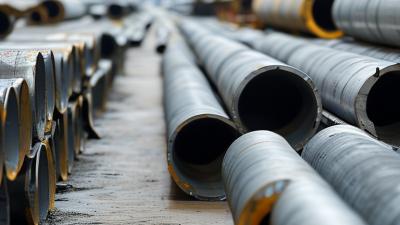
2026 Top Seamless Steel Pipe Trends for Global Buyers
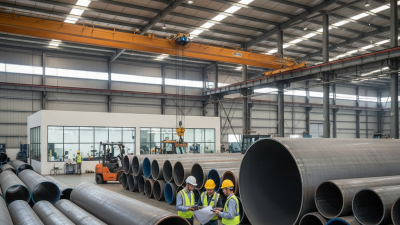
The demand for Seamless Steel Pipe is on the rise, driven by various industries globally. According to recent market analysis, the global seamless steel pipe market is expected to grow at a CAGR of 4.2% from 2023 to 2028. This growth reflects a shift towards high-quality materials, particularly in oil and gas, automotive, and construction sectors.
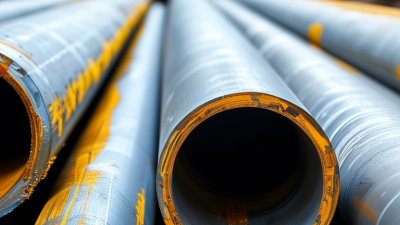
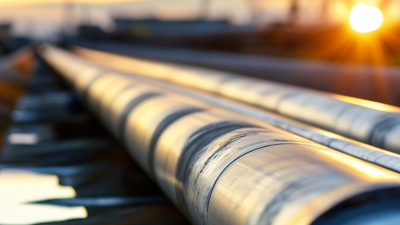
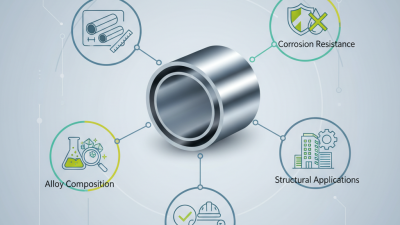
Manufacturers face challenges in maintaining quality while scaling production. Innovative techniques and advancements in technology are necessary to meet these demands. The seamless steel pipe segment is gaining traction due to its durability and corrosion resistance, essential for pipelines and structural applications.
However, fluctuating raw material costs pose significant risks. Buyers are increasingly looking for reliable suppliers who can ensure consistent quality. The potential for supply chain disruptions adds another layer of complexity. As we look ahead to 2026, understanding these trends will be crucial for both buyers and manufacturers in the seamless steel pipe industry.
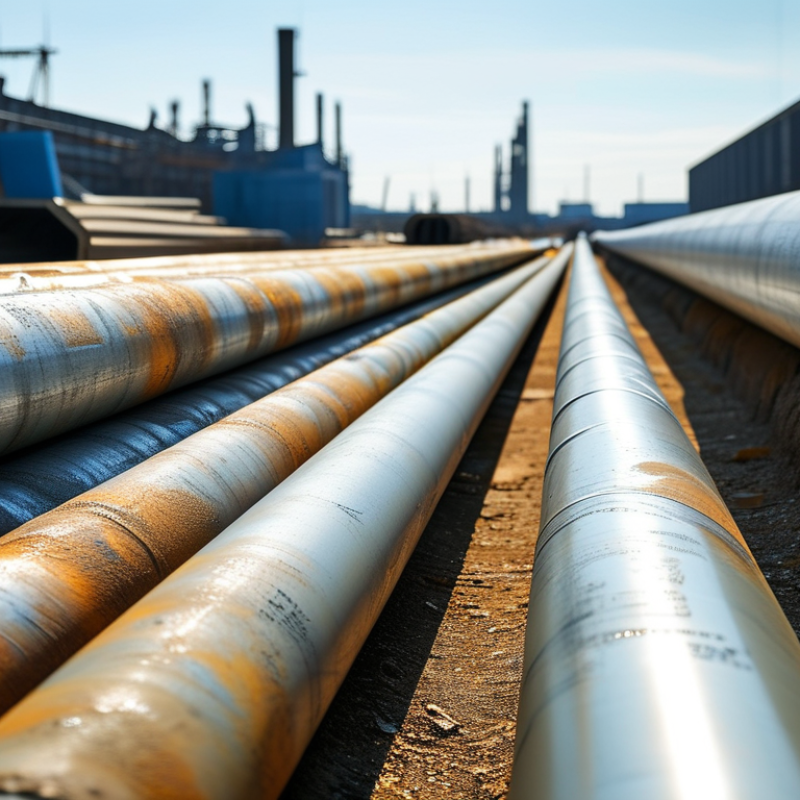
Emerging Technologies in Seamless Steel Pipe Manufacturing for 2026
Advancements in seamless steel pipe manufacturing will be crucial in 2026. As industries evolve, so do the technologies that support them. Innovations like precision extrusion and advanced heat treatment are gaining traction. These techniques enhance the mechanical properties of steel pipes, making them stronger and more durable. Manufacturers are exploring methods to minimize waste, reducing their environmental footprint while meeting global demand.
Automation is another key trend. Robotics and AI are streamlining production processes. These technologies increase efficiency and reduce human error. However, the reliance on automation poses challenges, such as workforce displacement and the need for new skills. Companies must invest in training programs to help employees adapt. This balance between innovation and workforce development is essential for sustainable growth.
New materials are also emerging in the seamless pipe market. High-performance alloys are being developed to withstand extreme conditions. These materials are more expensive and require careful consideration of cost versus benefits. As companies experiment with these innovations, some may find it difficult to integrate them into existing workflows. This evolution in manufacturing demands a rethink of traditional practices and a commitment to continuous improvement.
Sustainability Practices Shaping the Future of Seamless Steel Pipe Industry
Sustainability is increasingly shaping the future of the seamless steel pipe industry. As global buyers emphasize eco-friendly practices, manufacturers are adapting their processes. A report from the World Steel Association highlights that steel production accounts for nearly 7% of CO2 emissions worldwide. This alarming figure drives the need for greener solutions.
Recent trends show that over 30% of steel producers are investing in electric arc furnace (EAF) technology. This method significantly reduces carbon emissions by utilizing scrap steel. Companies adopting EAF can cut emissions by 75% compared to traditional blast furnaces. Yet, challenges remain. Transitioning to EAF requires substantial investment, which may deter smaller players.
Life cycle assessments (LCAs) are becoming a necessary tool in decision-making. These assessments help firms understand the environmental impacts at every stage, from material extraction to disposal. However, many manufacturers still lack comprehensive data to fully grasp their footprint. There is an urgent need for improved transparency and collaboration in this sector to meet sustainability targets effectively.
Market Demand Analysis for Seamless Steel Pipes Among Global Buyers
The demand for seamless steel pipes has been steadily increasing due to their extensive applications in various industries. According to a recent market report, the global seamless steel pipe market is projected to reach USD 35 billion by 2026, with a CAGR of 5.1% from 2022. This growth is driven by the rise in oil and gas exploration activities, especially in emerging markets.
Moreover, seamless pipes are favored for their strength and reliability. Industries such as automotive, construction, and energy rely on seamless steel pipes for critical applications. Approximately 40% of the global demand comes from the energy sector alone, highlighting the importance of these materials. Despite this growth, there are challenges like fluctuating raw material costs and increasing competition that could affect market dynamics.
Investors and buyers need to stay informed about market trends and technological advancements. Key innovations, such as the application of new alloys, are improving pipe performance and sustainability. However, the need for more sustainable production methods is pressing. Firms must adapt to shifts in consumer preferences and regulatory demands while ensuring quality and safety standards. These factors will shape the landscape of seamless steel pipes in the coming years.
Innovations in Seamless Steel Pipe Applications Across Various Industries
The seamless steel pipe industry is witnessing rapid innovations, especially in applications across various sectors. In construction, engineers are integrating advanced seamless pipes for structural integrity. These pipes are lighter yet stronger than traditional options. Their durability enhances the longevity of projects, but the challenge remains in balancing cost and performance.
In automotive industries, seamless pipes are becoming vital for fuel efficiency and safety. Manufacturers explore different alloys to reduce weight while maintaining strength. Some companies struggle with the consistency of quality across production batches. This inconsistency can affect overall performance in vehicles, which may lead to safety concerns.
Furthermore, the energy sector is adapting seamless pipes for high-pressure applications. These pipes are critical in oil and gas transport. However, issues like corrosion and crack formation present ongoing challenges for engineers. Addressing these issues requires continuous research and development. Companies must balance innovation with practical application, reflecting on past errors to improve future outcomes.
Key Players and Competitive Landscape in the Global Seamless Steel Pipe Market
The global seamless steel pipe market is witnessing significant transformation. Key players are focusing on innovation to meet rising demand in various sectors. According to a recent industry report, the market is projected to grow at a CAGR of 5.3% from 2022 to 2028. This growth is driven by the oil and gas sector, infrastructure development, and energy industries.
Supply chain dynamics are also shifting. Manufacturers are investing in advanced technologies for production efficiency. Some are adopting automation to minimize labor costs and increase output. However, challenges remain. The market faces fluctuations in raw material prices and supply chain disruptions, which can impact production schedules and costs.
A strategic approach is advisable for buyers. Understanding regional market trends is essential. Certain regions may offer better supply stability. Keeping an eye on production capacities can help buyers to negotiate better terms. Collaborating with suppliers who have strong market insights can also be beneficial. Developing a contingency plan for sourcing can mitigate risks associated with market volatility. Being proactive can lead to long-term success in this evolving landscape.

 Angle Steel
 Channel Steel
 Universal Beam (l-Beam)
 H-Beam Steel
 Galvalume Steel Coil
 Galvalume Steel Sheet
 Galvanized Steel Sheet
 Color Coated Plate
 Stainless Steel Bar
 Stainless Steel Pipe
 Steel Bar
 Wire Rope
 Carbon Steel Pipe
 Carbon Steel Plate
 Aluminum Plate
 Aluminum Coil
 Aluminum Pipe
 Aluminum Bar
 Magnesium Ingot
 Fasteners