2026 Top Steel Sheet Pile Types and Prices
Steel sheet piles are selected for more than their quoted price. Ground conditions, excavation depth, water pressure, installation access, and reuse plans all affect the right choice. This guide, “2026 Top Steel Sheet Pile Types and Prices,” compares common sections, including U-shaped, Z-shaped, and straight-web piles. It also explains why prices vary with steel grade, pile length, coating, order volume, transport, and local market conditions. A low price per ton can look attractive. It may not reflect the full installed cost.
Geotechnical engineer Karl Terzaghi’s work highlights the importance of understanding soil behavior. As an editorial paraphrase, not a verified quotation, the guiding principle here is: “Let ground conditions shape pile selection; do not let the price tag decide alone.” That distinction matters on site. A narrow urban excavation, a riverside wall, and a temporary construction pit can require different profiles and installation methods. The keyword “Steel Piles Sheet” may appear in supplier catalogs, but buyers should confirm dimensions, section properties, steel grade, and documentation against project requirements. Prices should also be treated as dated estimates, not universal rates. They can change by region and specification. Real projects are messier than a price table suggests. This overview offers a practical starting point, while final selection should be checked against site data and qualified engineering advice.
Steel Sheet Piles: Structure, Purpose, and Key Features
2026 Top Steel Sheet Pile Types and Prices
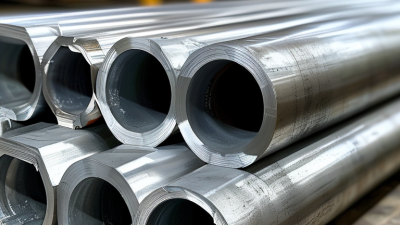
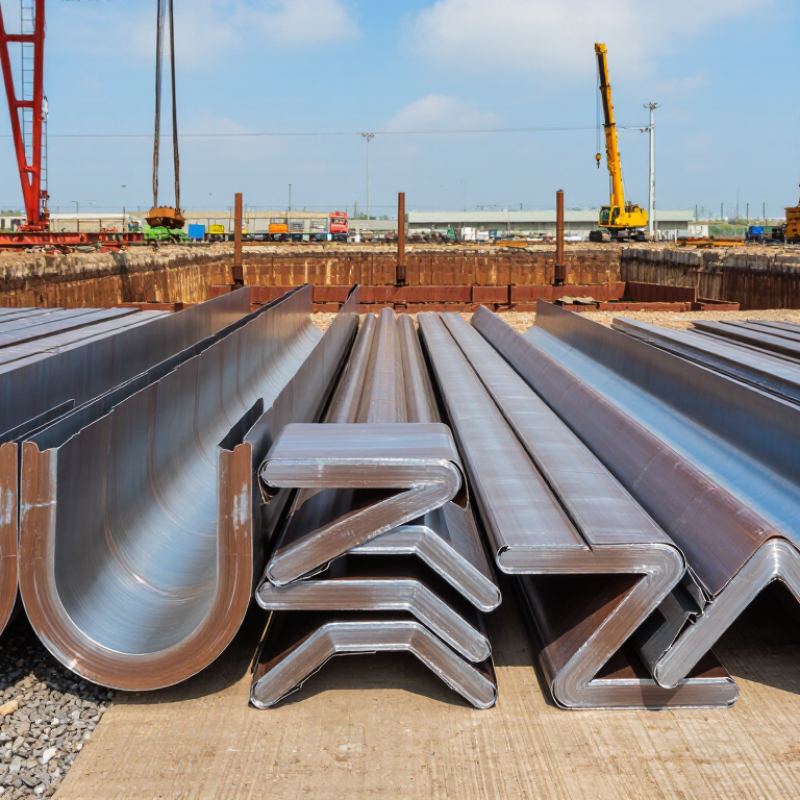
Steel sheet piles form retaining walls from connected, rolled steel sections. Their interlocking edges create a continuous barrier that holds back soil and can limit water movement. U-shaped sections are often selected for familiar handling and practical reuse. Z-shaped sections place more steel away from the wall’s neutral axis, which can provide efficient bending resistance. Straight-web piles suit applications where interlock strength matters, such as certain circular cells.
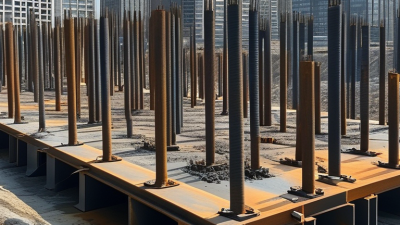
These piles support excavations, riverbanks, quay walls, and temporary construction pits. Crews drive them into the ground using vibration, impact, or press-in equipment, depending on site conditions and nearby structures. A completed wall still needs suitable bracing or anchors when loads demand them. Section choice affects strength, installation effort, and price; steel grade, pile length, coating, and local availability also matter. The neatest drawing does not always match the ground. Hard layers or buried obstructions can change installation plans, so site investigation matters.
Tips: Check soil reports, groundwater levels, and nearby buildings before choosing a section. Ask suppliers for weight per metre and interlock details, not price alone. Inspect coatings and cut edges; damage can expose steel to corrosion. If reuse is planned, confirm piles can be extracted without excessive distortion.
2026 Top Steel Sheet Pile Types and Prices — Structure, Purpose, and Key Features
The price ranges below are indicative 2026 budget estimates in USD per metric tonne for new steel material only. They are not supplier quotations; actual prices depend on country, steel grade, section size, order quantity, coating, freight, and market conditions.
| Type |
Structure |
Typical Purpose |
Key Features |
Typical Section Details |
Indicative 2026 Price (USD/metric tonne) |
| U-shaped sheet pile |
U-profile sections with interlocks near the web edges; commonly installed as a continuous wall. |
Temporary or permanent retaining walls, excavations, river works, and quay walls. |
Interlocks are close to the neutral axis in many arrangements. Pairs can be connected to improve handling and wall performance. |
Common nominal widths are approximately 400–750 mm; section depth and thickness vary by design. |
$850–$1,450 |
| Z-shaped sheet pile |
Z-profile sections with flanges on opposite sides of the web; interlocks are positioned near the outer edges. |
Deep retaining walls, waterfront structures, and projects requiring higher bending resistance per unit of wall. |
Flange geometry can provide efficient section modulus. Often selected for higher-load applications, subject to structural design. |
Common nominal widths are approximately 600–700 mm; section depth and thickness vary by series. |
$900–$1,550 |
| Straight-web sheet pile |
Relatively flat sections connected through interlocks to form a circular or cellular structure. |
Cellular cofferdams, temporary enclosures, and structures relying mainly on cell action rather than cantilever bending. |
Designed for interlock tension and cell stability; not generally used as a conventional high-bending-moment cantilever wall. |
Section width, web thickness, and interlock capacity are selected for the cell geometry and design loads. |
$900–$1,600 |
| Cold-formed sheet pile |
Steel coil is roll-formed at ambient temperature into an interlocking U- or Z-like profile. |
Light-to-medium retaining walls, temporary works, drainage channels, and smaller construction projects. |
Can be available in smaller batches and varied lengths. Capacity and tolerances depend on the section, steel grade, and manufacturing standard. |
Profile dimensions vary by manufacturer and specification; verify section properties before structural use. |
$750–$1,300 |
| Hot-rolled sheet pile |
Sections are formed by hot rolling, with interlocks produced as part of the rolled profile. |
Permanent retaining walls, deep excavations, ports, and demanding infrastructure works. |
Broad range of established structural sections. Selection should consider interlock performance, steel grade, and required section modulus. |
Available in multiple U- and Z-profile series; dimensions and properties depend on the specified section. |
$950–$1,650 |
| Combined wall system |
A wall assembled from larger king piles with intermediate sheet pile infill panels. |
Deep waterfront walls and other projects requiring greater stiffness or bending capacity than a single sheet pile wall can provide. |
System performance depends on king-pile spacing, infill, connections, and ground conditions. Price is highly design-specific. |
Typically specified by king-pile section, infill profile, spacing, wall height, and connection details. |
$1,100–$2,000 |
Main Steel Sheet Pile Types and Their Design Differences
Steel sheet piles differ mainly in cross-section, interlock position, and how they resist bending.
Z piles place their flanges at the outer edges, creating a relatively efficient section for retaining soil. U piles have interlocks closer to the section’s center. Their paired sections can provide useful stiffness, but connection details affect how reliably that stiffness transfers through a wall.
Small details matter.
Straight-web piles are designed to carry tension through their interlocks,
making them suitable for circular cells and cofferdams rather than ordinary cantilever walls. For deeper excavations or marine works, combi-walls pair large king piles with infill sheets. The king piles provide much of the bending resistance; infill sheets close the soil face. The U.S. Army Corps of Engineers’ EM 1110-2-2504 treats earth and water pressures as distinct design loads, a useful reminder when groundwater levels can change.
Profile shape—not steel grade alone—often governs wall stiffness.
AISC steel design references use an elastic modulus of 29,000 ksi, approximately 200 GPa, for structural steel. Because this value is broadly shared across common grades, comparing section modulus, interlock behavior, and corrosion allowance is essential.
That comparison is easy to rush.
Actual performance still depends on soil conditions, installation quality, and support spacing.
Factors That Influence Steel Sheet Pile Prices in 2026
2026 Top Steel Sheet Pile Types and Prices
Factors That Influence Steel Sheet Pile Prices in 2026
Steel sheet pile pricing in 2026 depends on more than the quoted price per tonne. Steel grade and raw material costs set a baseline, while thickness, section width, and pile length affect material use. Heavier sections usually cost more. Costs vary.
Cold-formed and hot-rolled piles can differ in strength, dimensional consistency, and suitability for demanding ground conditions. Projects requiring long piles, tight interlocks, or special coatings may need extra processing. Order size matters too: larger, standardized batches can reduce handling costs, while small orders may carry higher per-unit charges. Coatings add cost, but their value depends on soil and water exposure. They should match site conditions, not assumptions.
Transport can shift the delivered price considerably. Long piles need suitable loading and haulage, and remote sites may incur added freight or unloading charges. Ask suppliers to itemize material, fabrication, coating, freight, and accessories. Check the quoted grade, dimensions, tolerances, and delivery terms against the engineer’s specification. A low headline figure may omit important items. I would not compare quotes until those details match; even a small mismatch can skew the budget.
2026 Price Ranges by Sheet Pile Type and Specification
For 2026 budgeting, indicative supply prices for steel sheet piles range from about US$850 to US$1,600 per metric ton. Cold-formed sections often fall near US$850–US$1,250 per ton, while hot-rolled U and Z profiles may range from US$950–US$1,600. These are planning estimates, not live quotations. Prices move.
Specification changes the number. A 10 mm section weighing 60–75 kg per metre could cost roughly US$60–US$120 per metre at those rates, before freight or handling. Thicker walls, higher steel grades, longer lengths, and tight tolerances can increase the price. A standard section may be cheaper per ton, yet less efficient if the project needs greater bending strength.
Ask suppliers to state the profile, steel grade, wall thickness, length, and pricing unit on each quotation. Confirm whether cutting, protective coating, packing, and delivery are included. Freight can shift the delivered cost substantially, especially for long piles. A neat estimate can still miss local surcharges or minimum order quantities; that part deserves checking. Compare the same specification and delivery basis, not just the headline price.
How to Compare Sheet Pile Options for Different Projects
Choosing sheet piles starts with the ground, not the catalog. A temporary cofferdam in loose river sand may need sections with strong bending capacity and dependable water control. A permanent quay wall faces different demands: corrosion exposure, vessel impact, and years of soil pressure. Small details matter. Check the soil report, excavation depth, groundwater level, and nearby structures before comparing U-, Z-, or straight-web profiles. Each shape distributes loads differently, so a familiar option is not automatically the best value.
Compare installed cost, not just price per tonne. Include pile length, steel grade, corrosion protection, driving conditions, transport, and extraction costs if reuse is planned. Hard layers can slow installation and increase equipment costs; weak ground may call for longer piles or extra bracing. Ask suppliers to state the assumptions behind each quotation, including section properties and delivery terms. A low unit price can prove costly if the design needs more supports or installation creates excessive vibration near existing buildings. Have a qualified engineer check site-specific loads and installation limits. Early estimates can miss ground variability; that is worth admitting before the budget is fixed.

 Angle Steel
 Channel Steel
 Universal Beam (l-Beam)
 H-Beam Steel
 Galvalume Steel Coil
 Galvalume Steel Sheet
 Galvanized Steel Sheet
 Color Coated Plate
 Stainless Steel Bar
 Stainless Steel Pipe
 Steel Bar
 Wire Rope
 Carbon Steel Pipe
 Carbon Steel Plate
 Aluminum Plate
 Aluminum Coil
 Aluminum Pipe
 Aluminum Bar
 Magnesium Ingot
 Fasteners